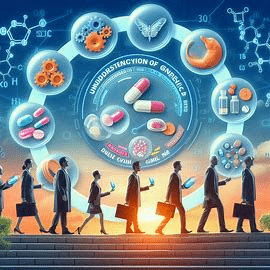
The Unsung Heroes of Healthcare: Understanding Generic Drug Utilization
Generic drugs represent a remarkable achievement in pharmaceutical science and public policy. They are not merely “copies” but rigorously vetted pharmaceutical products that are unequivocally equivalent to their brand-name counterparts across all critical parameters. This equivalence extends to their active ingredients, safety profiles, strength, method of administration, overall quality, performance characteristics, and intended therapeutic use. This stringent equivalence ensures that patients receive the same medical benefits and therapeutic effects from a generic drug as they would from its branded version, without any compromise on effectiveness.
The pathway for these essential medications to become available is intrinsically linked to intellectual property. Generic versions typically enter the market once the brand-name drugs’ patents and periods of market exclusivity have expired, thereby opening the door for robust competition. This regulatory framework is designed to balance the innovator’s right to recoup research and development investments with the public’s need for affordable access to medicines.
The Economic Imperative: Why Generics Matter So Much
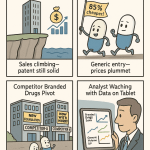
The economic impact of generic drugs on healthcare systems and individual patients is nothing short of transformative. Their cost-effectiveness is a pivotal factor in modern healthcare, as generic drugs typically cost significantly less than their branded counterparts—often up to 80-85% cheaper. This substantial price disparity accrues significant savings over time, particularly for patients requiring long-term medication for chronic conditions.
The savings generated by generic drugs are staggering. The United States healthcare system, for instance, saved an estimated $253 billion in 2014 alone due to generic drug use. More recently, generic and biosimilar drugs collectively generated a record $373 billion in savings for America’s patients and healthcare system in 2021. Looking at a broader historical perspective, the U.S. healthcare system realized an astounding $1.67 trillion in savings between 2007 and 2016, a testament to the enduring value of low-cost generics.
For individual consumers, these savings translate into tangible financial relief. The average copay for a generic prescription is a mere $6.16, a stark contrast to the $56.12 average copay for brand-name drugs. This significantly reduces out-of-pocket expenses, alleviating financial stress for patients who often struggle with the escalating costs of medication. The benefits ripple through major healthcare programs as well: Medicare saved $119 billion, and commercial plans saved $178 billion in 2021. In 2016 alone, Medicare and Medicaid programs collectively saw savings of $77 billion and $37.9 billion, respectively.
Despite the overwhelming volume of generic prescriptions, which accounted for 91% of U.S. prescriptions filled in 2021 and approximately 89% in 2016 , they represent a disproportionately smaller share of total drug spending. In 2021, these prescriptions accounted for only 18.2% of the country’s spending on prescription drugs , while in 2016, they made up only 26% of total drug costs. This striking imbalance reveals a critical economic reality: while generics are instrumental in providing affordable access and driving down per-prescription costs, the lion’s share of pharmaceutical expenditure is still consumed by high-cost brand-name products. This means that while generic utilization is already high and delivers immense savings, sustained efforts to control overall healthcare costs must continue to focus on accelerating generic entry for remaining brand-name drugs and addressing the pricing strategies of brand-name products, as they remain the primary drivers of pharmaceutical spending. The narrative of “savings” from generics, while powerful and true, needs to be contextualized within the larger framework of total drug spending, where brand-name drugs still exert dominant financial pressure.
Enhancing Accessibility and Adherence: A Public Health Mandate
The affordability of generic drugs plays a pivotal role in enhancing healthcare accessibility globally. By significantly reducing the cost of medications, generics enable broader access to necessary treatments, particularly for low-income populations and in developing countries where healthcare budgets are often limited and medication costs can be prohibitive. This increased availability of essential medications is a cornerstone of equitable healthcare.
Crucially, the economic relief provided by generic drugs directly correlates with improved medication adherence. When patients can afford their medications, they are far more likely to take them as prescribed, leading to better health outcomes and a reduction in the overall cost of healthcare by preventing complications from untreated or undertreated conditions . Guidelines from bodies like the CDC, for instance, underscore the importance of medication adherence, a goal significantly facilitated by generic affordability.
The causal chain beginning with the affordability of generic drugs leads to increased patient adherence to medication regimens . Improved adherence, in turn, results in better health outcomes for patients, reducing the likelihood of complications from untreated or undertreated conditions . This reduction in preventable morbidity and mortality translates into lower overall healthcare spending, not just on drugs but across the entire system, as fewer hospitalizations and complex interventions are needed . Furthermore, a healthier population, supported by accessible medication, is better positioned to participate in the workforce and society, as healthy people are better able to reach their full potential. This chain reveals that generic utilization is far more than just a cost-saving measure; it functions as a fundamental public health intervention with profound societal and economic benefits, extending well beyond direct pharmaceutical expenditures. Businesses and policymakers should recognize and leverage this broader impact when shaping strategies and advocating for generic drug policies.
The Global Generic Drug Market: Size, Growth, and Key Players
The global generic drug market is a powerhouse of growth, demonstrating remarkable expansion and resilience. Valued at USD 491.35 billion in 2024, it is projected to reach USD 926.54 billion by the end of 2034, demonstrating a robust Compound Annual Growth Rate (CAGR) of approximately 6.55% during the forecast period. Other analyses corroborate this growth trajectory, with one estimating a market size of USD 361.7 billion in 2022, projected to reach USD 682.9 billion by 2030 at an 8.3% CAGR , and another forecasting growth from $245 billion in 2020 to $435 billion by 2025 at a 9.5% CAGR.
Several key factors are propelling this expansion. A vast and growing aging population globally inherently increases patient numbers and the demand for medication . The escalating demand for affordable healthcare solutions, particularly in the face of rising brand-name drug costs, further fuels this market . The continuous expiration of patents on blockbuster brand-name medications consistently opens new opportunities for generic entry. Additionally, the expansion of middle-class populations in emerging markets drives increased access and demand for affordable treatments.
Demand is particularly high in specific therapeutic areas. Cardiovascular disorders represent a significant segment due to the high cost of brand-name treatments . Oncology is another major driver, propelled by the loss of exclusivity of blockbuster oncology products and the increasing incidence of cancer cases globally. Dermatology sees increased need due to a rise in skin problems, while respiratory system diseases are influenced by global pollution trends. Central nervous system disorders also contribute substantially to the market’s growth .
The market is dominated by prominent global players, including Teva Pharmaceutical Industries Limited, Cipla Ltd., Dr. Reddy’s Laboratories Ltd., Viatris Inc. (formed from the merger of Mylan and Pfizer’s Upjohn unit), Lupin Limited, Sun Pharmaceutical Industries Ltd., Novartis AG, Hikma Pharmaceuticals PLC, Aurobindo Pharma, and Endo International plc . These companies, among others, are at the forefront of developing and distributing generic medications worldwide.
Geographically, North America accounted for the largest revenue share of the generic pharmaceuticals market in 2022 (32.71%) , driven by favorable government initiatives and high demand for generic drugs. The Asia-Pacific region has emerged as the second-largest market and is projected to be the fastest-growing, primarily due to a significant need for affordable medications among residents with limited disposable income . Europe and South America also make substantial contributions to market expansion, reflecting the global imperative for cost-effective healthcare solutions.
While all market analyses agree on the robust growth of the generic drug market, there are noticeable variations in the specific market size figures and CAGR projections across different sources . This is not necessarily a factual contradiction but rather an indication that market forecasting involves different methodologies, data sets, and underlying assumptions about future economic conditions, regulatory changes, or patent expiries. For business professionals, this implies that while the overarching trend of significant market growth is clear and actionable, relying on a single projection without understanding its basis can be misleading. It underscores the critical need for continuous, real-time market intelligence and granular data analysis to inform more precise and adaptable strategic decisions rather than solely relying on aggregated, potentially lagging, market reports.
Here is a consolidated overview of the global generic drug market’s size and growth projections:
North America (largest), Asia-Pacific (2nd largest, fastest)
North America (largest), Asia Pacific (fastest)
Not specified in detail
The Regulatory Bedrock: Ensuring Safety, Efficacy, and Equivalence
The robust regulatory frameworks governing generic drugs are the bedrock upon which their widespread utilization is built. These frameworks ensure that every generic product meets the same rigorous standards of quality, safety, and effectiveness as its brand-name counterpart, thereby fostering trust and facilitating market entry.
The Hatch-Waxman Act: A Game-Changer for Generic Entry
Any exploration of generic drug utilization would be incomplete without acknowledging the monumental impact of the Drug Price Competition and Patent Term Restoration Act of 1984, universally known as the Hatch-Waxman Act . This landmark legislation fundamentally reshaped the pharmaceutical landscape in the United States.
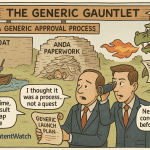
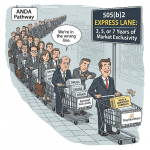
The Act’s most significant contribution was establishing the Abbreviated New Drug Application (ANDA) process. This streamlined pathway allows generic manufacturers to gain FDA approval by demonstrating bioequivalence to a brand-name drug. Crucially, it exempts generic manufacturers from having to repeat the costly and time-consuming extensive preclinical (animal) and clinical (human) trials that were necessary for the approval of the original brand-name drug . This efficiency drastically reduces the cost and time required to bring generics to market.
The success of Hatch-Waxman is undeniable. Before its enactment, only 35% of top-selling drugs no longer under patent protection had generic equivalents; by the late 1990s, almost all such drugs had generic versions. This legislative catalyst led to an exponential growth in the generic drug market share, which now accounts for over 85% of U.S. prescriptions.
A key incentive embedded within the Act is the 180-day market exclusivity granted to the first generic company to file an ANDA with a Paragraph IV certification and successfully challenge a brand-name drug’s patent . This exclusive period is a powerful motivator, allowing the first-to-file generic to capture significant market share and profit before other generic competitors enter and intensify price erosion.
While the Hatch-Waxman Act is widely celebrated for undeniably facilitating generic entry and generating immense cost savings , its structure, particularly the Paragraph IV certification and the 180-day exclusivity provision, inherently encourages patent litigation. The enormous profit potential for the first-to-file generic creates a strong incentive for generic companies to challenge existing patents. This means that while the Act successfully facilitates the introduction of generics, it also, perhaps inadvertently, institutionalizes a period of intense legal contention and potential market delays. For businesses, this implies that legal strategy, intellectual property expertise, and precise patent intelligence are not merely supporting functions but are absolutely central to successful generic market entry, competitive positioning, and maximizing the return on investment in a post-patent landscape. The legal battleground becomes as critical as the manufacturing floor.
Navigating the Approval Maze: FDA and EMA Pathways
The journey of a generic drug from development to patient access involves navigating a complex, yet meticulously designed, regulatory maze overseen by authorities such as the U.S. Food and Drug Administration (FDA) and the European Medicines Agency (EMA).
Bioequivalence: The Scientific Cornerstone of Generic Approval
At the heart of generic drug approval lies the concept of bioequivalence. This scientific cornerstone ensures that generic products are truly interchangeable with their brand-name counterparts. Two products are considered bioequivalent when they are equal in the rate and extent to which the active pharmaceutical ingredient (API) becomes available at the site(s) of drug action within the body . This means they deliver the same amount of active drug to the bloodstream over the same period, ensuring comparable therapeutic effects and safety profiles.
The approval process mandates that the proposed generic product is rigorously tested against the original brand-name drug, referred to as the Reference Listed Drug (RLD) . These bioequivalence (BE) studies can include blood level, pharmacologic end-point, and clinical end-point studies, all conducted in strict accordance with Good Laboratory Practice (GLP) regulations. The FDA maintains a public resource, the “Orange Book,” which lists approved drugs and their bioequivalent products, assigning an “A” code to those deemed therapeutically equivalent and an “AB” code if initial bioequivalence problems were resolved.
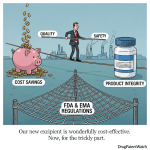
The FDA’s overarching goal is to facilitate the approval of generic drugs as expeditiously as possible once brand-name patents expire, but this acceleration never compromises on quality. Their rigorous evaluation ensures that every approved generic drug meets stringent standards for safety, effectiveness, and overall quality before it reaches the market.
The extensive and rigorous bioequivalence testing, coupled with the stringent regulatory approval processes of agencies like the FDA and EMA, are designed to provide irrefutable scientific proof that generic drugs are “as effective and safe” as their brand-name counterparts . This scientific validation should, logically, lead to universal acceptance. However, despite this robust scientific foundation, research indicates that a significant portion of the public and even some healthcare professionals continue to harbor lingering doubts or “sometimes perceive them as less effective” . This persistent disconnect highlights that scientific proof, while necessary, is often not sufficient for complete market acceptance and full utilization. It implies a critical need for stronger, more consistent, and targeted communication and education campaigns from regulatory bodies, industry associations, and generic manufacturers themselves. These efforts must actively work to bridge this “trust gap,” addressing misconceptions and reinforcing the scientific validity of bioequivalence to foster greater confidence among prescribers and patients. The “trust bridge” is built on scientific data, but its successful traversal depends heavily on effective communication and addressing deeply ingrained psychological barriers.
Biowaivers and Expedited Pathways: Streamlining Access
To further streamline the approval process and enhance access to affordable medications, regulatory bodies like the FDA offer “biowaivers.” This means the requirement for an in vivo bioequivalence study may be waived for certain generic products. Categories eligible for biowaivers often include parenteral solutions for intravenous, subcutaneous, or intramuscular injection; oral solutions; certain topically applied solutions; and inhalant volatile anesthetic solutions . For a biowaiver to be granted, the generic product generally must contain the same active and inactive ingredients (Q1), in the same dosage form and concentration (Q2), and have the same pH and physicochemical characteristics (Q3) as the approved Reference Listed New Animal Drug (RLNAD).
Similarly, the European Medicines Agency (EMA) publishes extensive product-specific guidance to help applicants meet regulatory expectations across all submission routes, including centralized, decentralized, mutual recognition, or national procedures . Their goal, much like the FDA’s, is to facilitate the approval of generic drugs as expeditiously as possible, particularly once the patent and other exclusivity protections afforded to the brand-name drug have expired. The EMA’s centralized procedure, for instance, involves a single application and scientific assessment by its Committee for Medicinal Products for Human Use (CHMP), with a final legally binding decision from the European Commission.
Regulatory bodies like the FDA and EMA are actively seeking to accelerate access to affordable medicines by offering expedited approval pathways and biowaivers . This push for speed is economically beneficial and aligns with public health goals. However, this streamlining process presents a delicate balancing act: while accelerating market entry, regulators must meticulously maintain public and professional confidence in the quality and equivalence of generic drugs. If biowaivers, for instance, are perceived by healthcare professionals or the public as “shortcuts” rather than scientifically sound exemptions based on robust physicochemical data, they could inadvertently exacerbate existing skepticism about generic efficacy or safety . This implies a continuous regulatory dance: how to efficiently bring generics to market without inadvertently undermining the perception of rigorous oversight. For businesses, this means understanding the nuances of these expedited pathways to optimize their market entry timelines, while simultaneously being prepared to proactively address any lingering public or professional concerns about product quality or the rigor of the approval process.
Market Dynamics and Competitive Forces Shaping Utilization
The generic drug market is a fascinating ecosystem driven by a complex interplay of economic forces, intense competition, and intricate supply chain dynamics. These factors collectively determine the availability, pricing, and ultimately, the utilization of generic medications.
The Power of Competition: How More Players Drive Down Prices
The generic drug market provides a compelling illustration of how competition can dramatically drive down prices. As the number of generic manufacturers entering the market for a particular drug grows, intense price competition ensues, leading to significantly lower overall drug prices . This competitive pressure is a direct benefit to consumers and healthcare systems alike.
The statistics are compelling and demonstrate a clear inverse relationship between the number of competitors and price. On average, the retail price of a generic drug is 75% lower than that of a brand-name drug. Within just one year of the first generic approval, prices can plummet by more than 75% compared to the brand price.
The impact of competition is directly quantifiable:
Number of Generic Competitors
Average Price Reduction Compared to Brand (%)
2
54%
3-5
15-40% (additional savings after first generic)
6+
95%
10+
70-80% (after 3 years)
This dynamic is further influenced by the “first-to-file” incentive established by the Hatch-Waxman Act. The initial generic entrant, having successfully challenged a patent, is granted 180 days of market exclusivity. This allows that company to strategically price its product slightly below the branded version during this period, capturing substantial market share and profits before other generic competitors enter and intensify price erosion.
The data unequivocally demonstrates that increased generic competition leads to dramatic price reductions . While this is a clear win for consumers and healthcare systems, fostering affordability and access, this intense price erosion can also lead to what is often termed a “race to the bottom.” This aggressive competition, particularly as more players enter, can result in “unsustainable margins and exits by smaller firms”. This implies a potential long-term risk to the generic drug supply: if profitability becomes too marginal, it could deter new manufacturers from entering the market, reduce investment in quality control and manufacturing upgrades, or even lead to drug shortages if companies cease production or exit the market entirely. For businesses, this highlights the critical need for strategic differentiation (e.g., focusing on complex generics, biosimilars, or niche markets ) beyond pure price competition. For policymakers, it suggests a need to carefully balance the pursuit of maximum cost savings with ensuring the long-term sustainability and resilience of the generic drug manufacturing base.
Pricing Strategies in the Generic Landscape: From Cost-Based to Volume-Based
Generic drug companies employ a sophisticated array of pricing strategies, moving beyond simple cost recovery to navigate intense market competition and regulatory pressures. The choice of strategy is crucial for securing market share and maintaining profitability in a highly competitive environment.
A foundational method is Cost-Based Pricing, which involves meticulously calculating the total expenses associated with producing the medication—including raw materials, labor, manufacturing overhead, and other production-related expenditures. This approach ensures the selling price adequately covers costs and allows for a reasonable profit margin.
Given the fierce competition that typically arises immediately after patent expiration, Market-Based Pricing becomes a critical determinant of success. Here, prices are set relative to competitors and prevailing market demand, rather than solely on production cost. This strategy requires a keen awareness of the competitive landscape and rapid responsiveness to market shifts.
Volume-Based Pricing operates on the principle that the price per unit decreases as the volume of products sold increases. Manufacturers with established distribution networks and large-scale production capabilities can leverage this to achieve economies of scale, offering competitive prices while maintaining profitability. This strategy is particularly effective for high-demand generics.
Some companies adopt Penetration Pricing, entering the market with aggressively low prices to rapidly gain market share. Once established, they might incrementally adjust prices to optimize margins. Conversely, in certain strategic instances, firms might employ a Loss Leader Strategy, pricing key generics at a loss to secure large contracts or gain favorable formulary status with payers, subsidizing these losses through higher-margin drugs in their portfolio.
Furthermore, multi-market players often implement Tiered Pricing for Different Markets, offering generics at lower prices in low-income markets to maintain volume and enhance accessibility, while retaining higher margins in high-income markets. This allows them to optimize revenue across diverse economic environments. It is also important to note that government regulations and healthcare policies exert substantial influence on how generic drugs are priced, often through mechanisms like reference pricing systems, which were implemented in approximately 74% of countries in 2004 to encourage price competition.
While cost-based pricing is a fundamental starting point for generic manufacturers to ensure profitability , the intense competitive environment post-patent expiry necessitates a far more sophisticated approach. The array of strategies—market-based, volume-based, penetration, loss leader, and tiered pricing —demonstrates that generic drug pricing is not merely an accounting exercise. Instead, it is a complex strategic decision deeply influenced by market dynamics, the competitive landscape, the regulatory environment, and the need to secure formulary positions. This implies that for generic pharmaceutical businesses, a nuanced understanding and agile application of these diverse pricing models are absolutely essential for achieving sustainable profitability and securing market share. It signals a shift from a simplistic “cheaper copy” mindset to one of strategic market positioning and competitive differentiation, where pricing becomes a powerful lever in a crowded field.
Optimizing the Generic Drug Supply Chain: Resilience in a Complex World
The generic drug segment, despite its vital role in healthcare affordability, faces numerous challenges in maintaining a resilient and efficient supply chain. Generic manufacturers grapple with intense price competition, often uncertain revenue streams, and the significant investment required to maintain robust manufacturing quality systems. These pressures can strain operational capabilities and impact supply reliability.
A critical concern lies in supply chain vulnerabilities. The concentration of pharmaceutical purchasing and distribution, coupled with a lack of redundancy, makes the entire chain susceptible to disruptions. This is particularly evident for critical acute care drugs that heavily rely on Key Starting Materials (KSMs) and Active Pharmaceutical Ingredients (APIs) sourced predominantly from countries like China and India. Historically, many drug shortages have stemmed from quality-related breakdowns in manufacturing processes, which, without alternative suppliers, can lead to prolonged disruptions and impact patient access.
To counter these challenges, several strategies are crucial for optimization:
Multi-Sourcing: Moving to diversified sourcing models provides leverage to reduce raw material costs and build redundancy, ensuring material availability even if one supplier faces issues. This mitigates reliance on a single point of failure.
Improving Material Availability and OTIF (On-Time, In-Full): Achieving real-time visibility across the entire value chain is paramount to ensure stock availability and prevent delays. This involves sophisticated inventory management and forecasting.
Quality and Batch Release Process with Digitization and Predictive Intelligence: Implementing a “Quality System of Intelligence” that digitizes the batch release process and provides predictive insights, alerts, and scenario planning can significantly enhance supply chain responsiveness and prevent quality-related disruptions.
Smart Logistics: This involves implementing advanced solutions like cold chain monitoring and lot and batch level traceability, crucial for ensuring regulatory compliance and patient safety throughout the distribution process.
Real-Time Visibility and Transparency: Gaining real-time visibility across all trading partners in the multi-tier supply network is critical for brands to understand supplier activities at every step, enabling proactive problem-solving and risk mitigation.
Demand Sensing for Personalized Medications: Implementing sophisticated demand sensing models allows each party in the supply chain to respond dynamically to changing demand trends, optimizing costs and service while improving the patient experience.
The explicit mention of the generic drug supply chain’s heavy reliance on Key Starting Materials (KSMs) and Active Pharmaceutical Ingredients (APIs) from specific countries, notably China and India , immediately raises a significant geopolitical risk. Any disruption in these concentrated sourcing regions—be it from trade disputes, natural disasters, pandemics, or political instability—could trigger widespread generic drug shortages globally. This, in turn, would severely impact patient access to essential medicines and escalate healthcare costs. This implies that optimizing the supply chain for generic drugs is no longer solely about economic efficiency and cost reduction; it has become a critical matter of national security and public health resilience. For businesses, this necessitates a strategic shift towards diversifying sourcing, investing in robust and transparent multi-tier supply networks, and potentially exploring regional manufacturing hubs to mitigate these macro-level geopolitical risks, moving beyond purely economic considerations to embrace a broader risk management framework. Furthermore, this highlights a potential area for government intervention, through incentives or policy, to encourage domestic or geographically diversified manufacturing to ensure a stable supply of critical medicines.
Understanding the Brand vs. Generic Supply Chain Divide
It is crucial for business professionals and policymakers to understand that the market dynamics and supply chain structures for brand-name and generic drugs are fundamentally different, leading to distinct financial incentives and operational challenges. A failure to recognize these distinctions can lead to misinformed policy decisions and ineffective business strategies.
The brand industry is typically controlled by a single manufacturer enjoying market exclusivity, whereas the generic industry operates on a multi-competitor model, where drug prices generally decrease as more competitors enter the marketplace. This fundamental difference in competitive structure dictates much of the subsequent market behavior.
A key distinction lies in negotiations: generic manufacturers rarely, if ever, negotiate rebates with Pharmacy Benefit Managers (PBMs) and health plans. In contrast, brand drug manufacturers actively negotiate utilization discounts and rebates with PBMs due to their single-source status and the significant leverage this provides. This difference in negotiation practices directly impacts revenue streams and pricing flexibility.
Pharmacy reimbursement methodologies also differ significantly. Reimbursement for branded prescription drugs is usually a percentage of a published list price for the drug itself. Because branded drugs are single source, and are only marketed by one manufacturer, the manufacturer can report a price for the product to publicly available pricing compendia. This dynamic gives branded manufacturers more control over their pricing decisions, while a generic manufacturer competing in a crowded field with multiple other generic manufacturers has less control over their pricing decisions.
This divergence in dynamics means that while the generic supply chain captures 64% of all revenue on generics, brand market manufacturers retain a higher 76% of revenue on their products. The outcome of these differing dynamics is clear: since 2008, generic drug prices have declined by more than 60%, while brand drug prices have continued to increase.
The stark differences in supply chain structures, particularly regarding PBM negotiations, rebate mechanisms, and reimbursement models between brand and generic drugs , create fundamentally divergent financial incentives for stakeholders throughout the pharmaceutical ecosystem. This implies that “one-size-fits-all” policy solutions aimed at controlling drug costs are highly unlikely to be effective and could, in fact, inadvertently harm the sustainability of the generic market. For example, policies designed to curb brand drug prices through rebate mechanisms might not apply or could have unintended consequences for generics, which operate on a different financial model. Policymakers therefore need to develop tailored solutions that explicitly recognize and address these inherent structural differences to ensure the continued stability and affordability of the generic drug supply. For businesses, understanding these divergent incentives is critical for shaping market access strategies, engaging in effective lobbying efforts, and accurately anticipating the impact of future regulatory changes on their specific product portfolios (brand vs. generic).
Policy, Reimbursement, and Legislative Influence
Beyond market forces, the utilization of generic drugs is profoundly shaped by government policies, payer strategies, and legal frameworks. These external influences create the environment in which generic drugs are developed, approved, and ultimately dispensed.
Government Initiatives: Driving Generic Adoption Through Policy
Governments play a crucial role in shaping generic drug utilization through a variety of policy levers. Beyond foundational legislation like the Hatch-Waxman Act, which was instrumental in increasing generic alternatives , numerous initiatives actively promote generic adoption.
These include encouraging the use of less expensive drugs within a therapeutic class through mechanisms like tiered copayments, which incentivize patients to choose generics by offering lower out-of-pocket costs. This direct financial incentive at the point of sale can significantly influence patient choice.
State governments, in particular, have explored and implemented various policy options to reduce prescription drug spending. These include consolidating drug purchasing across state programs or with other states to gain greater negotiating power; establishing common formularies based on evidence of effectiveness to streamline drug lists; consolidating the procurement of Pharmacy Benefit Manager (PBM) services; and directly promoting the use of generic drugs through educational campaigns and incentives.
A significant federal program is the Medicaid Drug Rebate Program, which requires drug manufacturers to enter into rebate agreements with states to ensure Medicaid receives substantial discounts for prescription drugs. For generic drugs, the base rebate is 13% of the Average Manufacturer Price (AMP), with additional rebates if prices rise faster than inflation. This mechanism helps to ensure that public programs benefit from the affordability of generics.
Government policies such as tiered copayments and the Medicaid Drug Rebate Program are explicitly designed to incentivize the utilization of generic drugs and reduce healthcare costs. However, the ultimate effectiveness of these policies is not solely determined by their design but significantly influenced by how market players—including PBMs, pharmacies, and manufacturers—respond to them. For example, while rebates are intended to lower costs, their impact on health care premiums can vary depending on whether these savings are fully passed back to insurers or employers. This implies that policy design is a complex endeavor that must anticipate and account for potential behavioral responses across the entire pharmaceutical supply chain to achieve its intended outcomes. For businesses, this means that merely understanding the existence of a policy is insufficient; a deep analysis of its potential downstream effects on market dynamics, pricing strategies, and competitive positioning is crucial for navigating the regulatory landscape effectively.
The Role of Pharmacy Benefit Managers (PBMs) and Formularies
Pharmacy Benefit Managers (PBMs) are undeniably key players in the pharmaceutical supply chain, exerting substantial influence over generic drug utilization and pricing. Covering over 266 million Americans, PBMs are not just claim processors; they are instrumental in designing and administering drug benefits for health plans . Their actions directly impact which drugs are covered, at what cost, and how readily patients can access them.
Their core functions include negotiating discounts and rebates with drug companies, often incentivizing the use of certain drugs (e.g., additional discounts for the most commonly prescribed drug in a class). PBMs also establish extensive pharmacy networks, channeling patients towards preferred pharmacies that offer lower cost-sharing, further guiding patient behavior.
Crucially, PBMs review clinical data to evaluate new drugs, which informs their contracting and coverage decisions. They develop formularies—lists of preferred drugs—and create incentives to encourage the use of generic drugs within these formularies. Their operational practices significantly impact how generic drugs are priced and reimbursed.
PBMs, through their powerful roles in formulary management, rebate negotiations, and network design , effectively act as gatekeepers to drug access and utilization. While their stated goal is to control costs and promote generics, their complex business models, which often involve retaining a portion of negotiated rebates (especially from brand drugs), could inadvertently create perverse incentives. These incentives might, at times, subtly disfavor generic adoption or delay the full economic benefits of generics from reaching patients and payers. This implies that PBM practices, despite their stated aim of cost containment, can introduce significant complexities and even become a bottleneck that influences generic utilization beyond simple price comparisons. For generic manufacturers, therefore, successfully navigating PBM relationships and securing favorable formulary inclusion is not just an operational task but a paramount strategic imperative for market access and profitability.
Generic Substitution Laws: Facilitating Seamless Access at the Pharmacy Counter
Generic substitution laws, enacted at the state level, have been immensely effective in expanding the market share of generic drugs. These laws provide the legal mechanism for a pharmacist to seamlessly dispense a cheaper, therapeutically equivalent generic drug in place of a more expensive brand-name (pioneer) drug, often without requiring specific physician authorization for each instance . This direct intervention at the point of dispensing has profoundly impacted drug utilization.
The impact of these laws on pharmaceutical spending has been profound. Studies estimate that the proliferation of generics, significantly facilitated by these substitution laws, resulted in nearly $2.2 trillion in savings between 2010 and 2020 alone, benefiting both payers and patients. These savings are realized through lower direct pharmaceutical spending and also by reducing overall healthcare costs through improved medication adherence and reduced morbidity and mortality associated with untreated conditions.
However, despite their success, these laws reveal significant shortcomings, particularly with the increasing proliferation of “combination products.” Their traditional approach to equivalency determination, which was well-suited for oral small molecule drugs, is often inadequate for allowing appropriate substitution for a subset of these more complex combination products . This creates unnecessary barriers to access for these specific generic formulations, hindering the full realization of generic cost savings.
Generic substitution laws were a groundbreaking success for traditional small molecule drugs, driving massive cost savings and market penetration. However, the pharmaceutical landscape is constantly evolving, with a growing number of complex “combination products” emerging. The research explicitly states that the “traditional approach to equivalency determination” embedded in these laws is “inadequate” for these newer formulations, leading to “significant flaws” and “unnecessary barriers” . This implies that legislative and regulatory frameworks, while initially highly beneficial, can become outdated and counterproductive as pharmaceutical innovation progresses. This creates a situation where potentially cost-saving generic versions of combination products are hindered from reaching the market or patients, despite their therapeutic equivalence. For businesses, this highlights a crucial need for proactive engagement and advocacy to update regulatory and legal frameworks to accommodate new drug modalities and ensure that the benefits of generic competition can extend to all relevant product categories.
Challenges and Loopholes: Addressing “Pay-for-Delay” and Other Anti-Competitive Practices
Despite the clear benefits of generic competition in driving down costs and increasing access, the pharmaceutical market is not immune to anti-competitive tactics that undermine generic utilization. One of the most egregious examples is “pay-for-delay” patent settlements. These occur when brand-name drug manufacturers offer financial compensation to generic companies in exchange for delaying the market launch of their lower-cost generic alternatives . This practice effectively stifles competition, blocking all other generic drug competition for a growing number of branded drugs.
The economic impact of these agreements is staggering. Between 2014 and 2023, the estimated impact to federal expenditures from delayed generic market entry due to pay-for-delay was potentially as high as $16.1 billion, with the Medicare program bearing the heaviest burden at $9.9 billion. Additionally, total premiums for individuals with private coverage may have been as much as $12.2 billion higher over the same period.
“Between 2014 and 2023, the impact to federal expenditures of delayed generic market entry arising from pay-for-delay was potentially as high as $16.1 billion, or $1.6 billion annually. These costs were borne most heavily, $9.9 billion, within the Medicare program.”
The Federal Trade Commission (FTC) has made it a top priority to identify and challenge these anti-competitive patent litigation settlements . While explicit pay-for-delay agreements are being reported less frequently due to increased scrutiny, other types of agreements, such as implicit “no-AG” (no authorized generic) commitments, may achieve the same anti-competitive effect. A “no-AG” commitment is a reverse payment where the brand firm transfers profits to the generic firm in exchange for the generic firm delaying the market launch of its product.
“Pay-for-delay” agreements are not merely complex legal disputes between pharmaceutical companies; they represent a direct and substantial economic drain on healthcare systems, taxpayers, and patients, costing billions of dollars annually. This makes them a critical public policy issue with significant societal costs, directly impacting drug affordability and patient access. The observation that explicit pay-for-delay agreements are becoming less frequent, while implicit “no-AG” agreements are gaining traction , suggests that anti-competitive behaviors are adaptive and evolve in response to regulatory scrutiny. This creates a “shadow economy” of delayed competition, where the mechanisms are more subtle but the detrimental effects on the market and consumers remain. This implies that ongoing vigilance, sophisticated competitive intelligence, and evolving antitrust enforcement strategies are absolutely crucial to ensure that the full benefits of generic competition are realized. For businesses, this underscores the severe ethical, legal, and reputational risks associated with engaging in such practices, and for generic entrants, it highlights the need for robust legal strategies and competitive intelligence to identify and challenge these insidious barriers to market entry.
The Human Element: Perceptions and Behaviors of Key Stakeholders
Beyond the economic, regulatory, and market dynamics, the utilization of generic drugs is profoundly influenced by the perceptions and behaviors of the individuals who prescribe, dispense, and consume them. Understanding this human element is critical for fostering greater adoption.
Physician Prescribing Habits: Bridging the Knowledge-Perception Gap
Despite the well-documented benefits of generic drugs, their acceptance and utilization often remain contentious, particularly in hospital settings where prescriber confidence is paramount. Physicians, as primary decision-makers in prescribing, play a crucial role in generic drug uptake.
Studies reveal a significant knowledge-perception gap among healthcare professionals (HCPs). For instance, 55% of physicians reported only recommending generics when bioequivalence is guaranteed. More strikingly, 70% perceive generics as “sometimes less effective” than brand-name drugs, even though 81% regularly recommend them. This internal conflict highlights a critical area for improvement in physician education and communication.
HCPs typically rely on rigorous clinical studies, research, and regulatory approval (FDA oversight) to assess the safety and efficacy of generic medicines. While one study found that a high percentage (76.7-79.5%) of doctors were aware of bioequivalence studies and did not agree that generics were less safe or effective , another indicated that only 26.6% of surveyed physicians knew generics were therapeutically equivalent. This discrepancy underscores the inconsistency in knowledge and the persistent need for improved educational resources. Factors such as patient feedback, professional guidelines, and even the age of the physician can influence prescribing decisions.
The research clearly indicates that despite overwhelming scientific proof of bioequivalence and stringent regulatory assurances from bodies like the FDA and EMA, a significant proportion of healthcare professionals (HCPs) still harbor reservations or “sometimes perceive” generics as less effective or safe than brand-name drugs . This persistent skepticism, even among those who regularly prescribe generics, reveals a critical disconnect: scientific evidence alone is not always sufficient to fully shape professional perception and prescribing behavior. This implies that factors such as historical brand loyalty, the influence of pharmaceutical marketing (even for off-patent drugs), anecdotal patient feedback, and gaps in ongoing medical education can override or dilute the impact of scientific validation. For generic manufacturers and public health advocates, this means that merely achieving regulatory approval is insufficient; sustained, targeted, and nuanced educational initiatives tailored to HCPs are vital to bridge this deep-seated knowledge-perception gap and foster greater confidence, thereby directly influencing prescribing rates and ultimately, generic utilization. This is fundamentally a behavioral challenge, not just a scientific one.
The Pharmacist’s Pivotal Role: Counseling, Education, and Trust
Pharmacists are uniquely positioned as front-line healthcare professionals, serving as the “final link between the medication and the patient”. This strategic vantage point makes them invaluable in guiding both patients and clinicians on the appropriate use of generic drugs and addressing any questions or misconceptions to encourage their utilization.
Their responsibilities extend far beyond simply dispensing medication. A proper medication dispensing practice encompasses ensuring the correct medicine, dosage, and quantities are provided, maintaining packaging that preserves drug potency, and, critically, providing clear medicine information counseling and appropriate follow-up.
Pharmacists are expected to educate patients comprehensively on various aspects of their medication: its name and description, the purpose for which it is prescribed, its dose, frequency of use, duration of therapy, directions and precautions, common side effects, contra-indications, and proper storage. This information must be delivered in a language the patient understands, with comprehension checked by having the patient repeat it in their own words.
Pharmacist-mediated counseling has been shown to prevent potential Adverse Drug Events (ADEs) and, importantly, to recommend cost-effective alternatives, including generics. However, despite its proven benefits, patient counseling is often “little practiced” in general pharmacy services, frequently due to factors such as heavy workload, insufficient medication knowledge, or lack of counseling skills. This represents a significant missed opportunity for enhancing generic utilization and patient outcomes.
Pharmacists are positioned as the critical “last mile” healthcare professionals, directly interacting with patients at the point of dispensing. Their ability to counsel patients on generic alternatives and address concerns is a powerful, yet often underutilized, lever for influencing generic drug utilization. The fact that counseling is “little practiced” due to workload or skill gaps implies a significant untapped potential. Investing in comprehensive pharmacist education regarding generics, streamlining pharmacy workflows to allow more time for patient engagement, and potentially incentivizing patient counseling could unlock substantial gains in generic adoption and, consequently, improved patient adherence and health outcomes. For businesses, this suggests a strategic opportunity to partner with pharmacy chains or professional associations to develop targeted educational resources and support programs that empower pharmacists to become more effective advocates for generics, thereby influencing patient choice at a crucial juncture.
Patient Awareness and Acceptance: Overcoming Misconceptions
Patient awareness and perception are fundamental drivers of generic drug utilization. Research indicates a generally positive, though sometimes inconsistent, view of generics among patients. Most respondents in one study considered generic drugs to be as effective (87%) and safe (88%) as their brand-name counterparts, with the same side effects (80%) and active ingredients (84%).
However, lingering negative perceptions and knowledge gaps persist. A 2008 survey found that a significant 40% of respondents were unaware that generic drugs were less expensive than brand-name drugs. Furthermore, while 56% of patients reported that Americans should use more generics, only 37.6% expressed a personal preference to take generics themselves. This “say-do” gap is notable, suggesting that intellectual understanding does not always translate into personal preference or action.
Patient preference for brand-name drugs, even when a generic is available, is not without cost; it has been estimated to cost the U.S. healthcare system approximately $12 billion annually in excess drug costs. Interestingly, non-Caucasians were found to be more likely than Caucasians to request a brand-name drug over a generic , suggesting demographic and cultural influences on perception. Ultimately, price emerged as the primary factor influencing patients’ acceptance of generics, particularly among lower-income individuals.
The data reveals a fascinating paradox in patient behavior: while a large majority of patients intellectually acknowledge that generic drugs are effective, safe, and significantly cheaper , a substantial portion still either prefers brand-name drugs or remains unaware of the cost savings. This illustrates a classic “value-action gap”—knowing something is beneficial does not always translate into consistent behavioral choice. This gap is influenced by a complex interplay of factors beyond pure economics, including deeply ingrained trust in established brands, perceived quality differences (even if scientifically unfounded), the influence of physician recommendations, and even demographic factors like race/ethnicity . For businesses and public health campaigns, this implies that simply promoting the cost-saving aspect of generics is insufficient. Strategies need to delve into the psychological and behavioral underpinnings of patient choice, focusing on building trust through consistent messaging, leveraging patient testimonials, and developing culturally sensitive communication strategies to address specific demographic concerns and bridge the gap between perceived value and actual utilization.
Here is a summary of key stakeholder perceptions on generic drugs:
Perception Aspect
Physicians
Patients
Perceive generics as sometimes less effective than brand-name drugs
70%
–
Regularly recommend generics
81%
–
Believe generics are as effective as brand-name versions
–
87%
Believe generics are as safe as brand-name versions
–
88%
Believe generics have the same side effects as brand-name versions
–
80%
Personally prefer to take generics
–
37.6%
Unaware that generics are less expensive
–
40% (in 2008)
Primary factor influencing acceptance
Bioequivalence guarantee
Price (especially for lower-income)
Leveraging Patent Data for Competitive Advantage: The DrugPatentWatch Edge
In the pharmaceutical industry, patent policy is designed to reward innovation with periods of market exclusivity, allowing brand-name companies to recoup their significant R&D investments. However, as these patents inevitably come to an end, the landscape shifts dramatically, opening the door for generic drug manufacturers to enter the market with lower-priced alternatives. This transition period is fraught with both immense opportunity and significant risk.
For generic drug manufacturers, diligently monitoring the expiration dates of these various patent and exclusivity protections, as well as any potential legal challenges to their validity, is absolutely crucial for effectively planning their strategies for market entry. Missing these windows can mean missing out on significant opportunities, particularly the lucrative “first-to-file” advantage.
A prime example of this strategic importance is the 180-day market exclusivity granted to the first generic company to file an Abbreviated New Drug Application (ANDA) with a Paragraph IV certification and prevail in a patent lawsuit. This incentive allows that first generic entrant to capture substantial profits and market share before further competition drives prices down. The ability to accurately predict and prepare for these moments can define a company’s success.
Patent expiration dates are not merely legal deadlines; they are powerful, predictive indicators of impending market shifts and competitive opportunities . For generic pharmaceutical companies, this patent data functions as a strategic “crystal ball,” offering foresight into when and where market entry will become viable. Without precise and continuously updated patent intelligence, a company risks missing crucial “first-to-file” opportunities, being caught off guard by competitor launches, or making ill-timed investments. This means that access to comprehensive, real-time patent information is not just a regulatory compliance matter but a fundamental competitive differentiator, enabling companies to proactively shape their portfolio management decisions and seize market leadership.
This is where specialized platforms like DrugPatentWatch become indispensable. DrugPatentWatch offers a comprehensive suite of tools specifically designed to help businesses gain a competitive advantage using patent data for generic drugs.
The platform provides vital support in identifying generic drug entry opportunities, informing portfolio management decisions, conducting sector landscaping and due diligence, and tracking investigational drugs to explore new indications for existing drugs. This forward-looking intelligence allows companies to strategically position themselves for future market shifts.
Furthermore, DrugPatentWatch assists in tracking biosimilar and 505(b)(2) activity, enabling businesses to anticipate approvals for these complex generics, monitor OTC-switches, new formulations, and other drug improvements. This foresight is critical for developing robust competitive strategies and even strengthening new formulation patents by studying prior claims and litigation.
With access to global drug patents in 134 countries, DrugPatentWatch empowers businesses to evaluate branded and generic market opportunities on a truly global scale. This broad perspective is essential for identifying untapped markets and understanding international competitive dynamics.
The platform’s insights into drug patent litigation and royalty/settlement terms are invaluable. Businesses can study failed patent challenges to develop better legal strategies, collect competitive intelligence by examining contractual disputes, and track litigation to anticipate early generic entry, including gaining access to confidential royalty and settlement terms. This intelligence can inform negotiation strategies and risk assessments.
DrugPatentWatch ensures that users have access to the most current information through its comprehensive data and daily updates, perpetually refreshing information from primary sources. The ability to export raw data further empowers businesses to conduct their own in-depth analyses and make data-driven decisions. For questions beyond the scope of its direct database, the platform’s AI Research Assistant can pull together comprehensive information from disparate sources, providing precise answers with full citations for accuracy and reliability.
In essence, DrugPatentWatch provides authoritative biopharmaceutical intelligence that helps companies stay ahead of the curve. As one user aptly stated, “Knowing when drugs are coming off patent and who to contract with has enabled us to stay ahead of the curve and align ourselves with the proper vendors”. This underscores the platform’s role in transforming raw patent data into actionable competitive advantage.
Key Takeaways
The utilization of generic drugs is a complex phenomenon influenced by a confluence of economic, regulatory, market, and human factors. Understanding these dynamics is paramount for stakeholders across the pharmaceutical and healthcare sectors.
Economic Imperative: Generic drugs are indispensable for healthcare affordability, driving hundreds of billions in annual savings for patients and healthcare systems. Despite accounting for over 90% of prescriptions, they represent a small fraction of total drug spending, highlighting the disproportionate cost burden of brand-name drugs.
Regulatory Foundation: The Hatch-Waxman Act fundamentally transformed generic entry, establishing the ANDA pathway and incentivizing “first-to-file” challenges. Regulatory bodies like the FDA and EMA rigorously ensure bioequivalence, but a persistent perception gap among some healthcare professionals and patients necessitates continued education.
Market Competition: Increased generic competition dramatically drives down prices, with significant reductions observed as more competitors enter the market. However, this “race to the bottom” raises concerns about the long-term sustainability of generic manufacturing and potential supply chain vulnerabilities.
Supply Chain Resilience: The generic drug supply chain faces unique challenges, including intense price pressure and reliance on concentrated API sourcing. Strategies like multi-sourcing, digitization, and real-time visibility are crucial for building resilience against disruptions, which can have geopolitical implications.
Policy and Payer Influence: Government initiatives (e.g., tiered copayments, Medicaid rebates) and PBM formulary management significantly shape generic utilization. Generic substitution laws have been highly effective but require updates to accommodate complex combination products. Anti-competitive practices like “pay-for-delay” settlements remain a significant challenge, imposing billions in costs and requiring vigilant antitrust enforcement.
Human Element: Physician prescribing habits are influenced by knowledge gaps and perceptions of efficacy and safety, despite scientific evidence. Pharmacists, as the “last mile” healthcare professionals, have immense untapped potential to counsel patients and promote generics. Patient awareness and acceptance are generally positive regarding generic efficacy and safety, but a “value-action gap” persists, where awareness of cost savings doesn’t always translate into preference or action, highlighting the need for targeted behavioral interventions.
Competitive Intelligence: For businesses, particularly generic manufacturers, leveraging patent data is a critical competitive differentiator. Platforms like DrugPatentWatch provide essential intelligence on patent expiries, litigation, and market opportunities, enabling strategic market entry, portfolio management, and risk mitigation in a dynamic and litigious landscape.
Conclusion
The journey of a generic drug from patent expiration to widespread utilization is a testament to scientific rigor, economic necessity, and complex human behavior. While the economic benefits are undeniable, contributing trillions in savings and enhancing global healthcare accessibility, the full potential of generic drugs remains influenced by intricate market dynamics, evolving regulatory landscapes, and deeply ingrained perceptions. For business professionals in the pharmaceutical and biotechnology sectors, a nuanced understanding of these influencers is not merely academic; it is the bedrock of strategic planning, competitive positioning, and sustained growth. The future of generic drug utilization hinges on continued innovation in manufacturing, adaptable policy frameworks, vigilant oversight against anti-competitive practices, and persistent, targeted education that bridges the gap between scientific proof and public perception. By embracing comprehensive intelligence, fostering collaboration across the healthcare ecosystem, and prioritizing patient-centered approaches, the industry can further unlock the transformative power of generic medicines, ensuring a healthier and more affordable future for all.
FAQ
Q1: How do generic drugs provide such significant cost savings compared to brand-name drugs if they are therapeutically equivalent?
A1: Generic drugs offer substantial cost savings primarily because their manufacturers do not incur the enormous research and development (R&D) costs associated with bringing a new drug to market. Brand-name companies invest billions in discovering, testing, and gaining approval for novel compounds, and their pricing reflects the need to recoup these investments and generate profit during their patent-protected exclusivity period. Generic manufacturers, conversely, only need to demonstrate bioequivalence to the already approved brand-name drug, a much less expensive and time-consuming process. This allows them to price their products significantly lower, often 80-85% less than the brand-name versions, while still maintaining profitability .
Q2: What is the “first-to-file” generic exclusivity, and why is it so important for generic pharmaceutical companies?
A2: The “first-to-file” generic exclusivity is a significant incentive established by the U.S. Hatch-Waxman Act. It grants 180 days of market exclusivity to the first generic company that submits a substantially completed Abbreviated New Drug Application (ANDA) with a “Paragraph IV” certification, which asserts that the brand-name drug’s patent is invalid or will not be infringed. If this generic company prevails in the subsequent patent litigation, they are granted this exclusive period during which no other generic versions of that drug can enter the market. This 180-day window allows the first generic entrant to capture a substantial market share and realize significant profits by pricing their product just below the brand-name version, before other generic competitors enter and drive prices down further. It is a powerful motivator for generic companies to challenge patents and accelerate market entry.
Q3: Why do some healthcare professionals and patients still have reservations about generic drugs, despite regulatory assurances of bioequivalence?
A3: Despite rigorous regulatory approval processes by agencies like the FDA and EMA, which scientifically confirm bioequivalence (meaning generics are as effective and safe as brand-name drugs), lingering reservations persist among some healthcare professionals (HCPs) and patients . For HCPs, this can stem from a knowledge-perception gap, where some may perceive generics as “sometimes less effective” or have insufficient information, influenced by factors like historical brand loyalty or anecdotal patient feedback . For patients, while many acknowledge generics are effective and safe, a “value-action gap” exists; they may be unaware of cost savings or simply prefer brand-name drugs due to perceived quality, trust in established brands, or even cultural factors . Overcoming these misconceptions requires sustained, targeted education and communication efforts from all stakeholders in the healthcare system.
Q4: How do Pharmacy Benefit Managers (PBMs) influence generic drug utilization, and are their incentives always aligned with promoting generics?
A4: Pharmacy Benefit Managers (PBMs) play a crucial role in influencing generic drug utilization by managing drug formularies, negotiating prices and rebates with manufacturers, and establishing pharmacy networks . They create incentives, such as lower patient copayments for generics, to encourage their use. While PBMs are instrumental in driving cost savings, their business models, which often involve retaining a portion of negotiated rebates (particularly from brand-name drugs), can create complex financial incentives . This means their incentives are not always perfectly aligned with maximizing generic utilization, as greater profits might sometimes be derived from managing higher-cost brand-name drugs through rebate agreements. Policymakers often scrutinize PBM practices to ensure that savings are fully passed on to patients and payers.
Q5: What are “pay-for-delay” agreements, and what is their impact on generic drug utilization?
A5: “Pay-for-delay” agreements, also known as reverse payment settlements, occur when a brand-name drug manufacturer pays a generic drug manufacturer to delay the market entry of its lower-cost generic alternative . This practice effectively stifles competition, preventing other generic companies from entering the market and keeping drug prices artificially high. The economic impact is substantial, costing healthcare systems, taxpayers, and patients billions of dollars annually through higher drug expenditures and insurance premiums. Regulatory bodies like the Federal Trade Commission (FTC) actively challenge these anti-competitive agreements, viewing them as illegal restraints on trade that directly undermine the benefits of generic competition and patient access to affordable medicines .
Assessment of Patient Counseling on Dispensing of Medicines in Outpatient Pharmacy of Tikur-Anbessa Specialized Hospital, Ethiopia – PMC, accessed July 16, 2025, https://pmc.ncbi.nlm.nih.gov/articles/PMC6842711/
Patients’ Perceptions Of Generic Medications: Although most Americans appreciate the cost-saving value of generics, few are eager to use generics themselves – PMC – National Institutes of Health (NIH) |, accessed July 16, 2025, https://pmc.ncbi.nlm.nih.gov/articles/PMC2748784/