Part I: The Strategic Imperative of Patent Intelligence
Introduction: Beyond the Patent Cliff – Navigating the Innovation Labyrinth
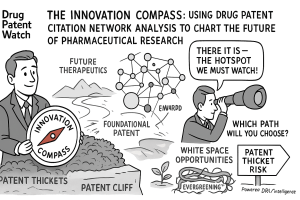
The contemporary pharmaceutical landscape is a study in paradox. On one hand, we are witnessing an explosion of scientific opportunity, with breakthroughs in genomics, cell therapy, and artificial intelligence promising to revolutionize medicine. On the other, the industry faces unprecedented financial and competitive pressures. The old narrative, a simple countdown to a drug’s “patent cliff,” has become dangerously obsolete. Today’s leaders are not just managing a single cliff edge; they are navigating a dense and treacherous jungle of “patent thickets,” fending off strategic litigation from rivals, and grappling with the rapid convergence of technologies that blurs the lines between therapeutics, diagnostics, and data science . In this high-stakes environment, looking in the rearview mirror at sales data or competitor press releases is a recipe for being left behind. The companies that will dominate the next decade of medicine will be those who can see the future first.
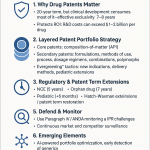
At the very heart of this complex ecosystem lies the patent. For the pharmaceutical industry, patents are far more than just legal instruments; they are the “backbone of medical innovation,” the fundamental pillars upon which the entire drug development model is built . They represent the societal bargain that makes progress possible: in exchange for temporary market exclusivity, an innovator discloses their discovery to the world, allowing others to build upon it. This exclusivity is the critical incentive that justifies the immense risk and investment required to bring a new drug to market—a process that frequently consumes over a decade and more than $2 billion . Without this protection, the vast R&D costs would be unrecoverable, as most drugs are, in the words of one expert, “hard to discover but easy to copy”.
Given these stakes, the need for a new kind of strategic compass has never been more urgent. Traditional methods of market analysis, which rely on historical data, are lagging indicators. They tell you where the industry has been, not where it is going. What if you could map the invisible currents of knowledge flowing between companies and research labs? What if you could identify the next major therapeutic breakthrough while it is still just a faint signal in the noise of global R&D? What if you could anticipate a competitor’s next strategic move not months, but years, in advance?
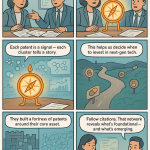
This is the promise of patent citation network analysis. By treating patents as nodes and their citations as the connections between them, we can construct a dynamic map of the entire innovation landscape. It is a powerful leading indicator, offering a way to visualize the flow of ideas, pinpoint emerging technological fronts, and understand the strategic positioning of every player in the ecosystem . This report is designed to be that compass. It is a playbook for pharmaceutical leaders who want to move beyond a defensive, legalistic view of intellectual property and learn to wield it as a proactive, offensive weapon. We will explore how to systematically leverage patent citation network analysis to transform IP data from a dusty archive into a vibrant, predictive engine for strategic decision-making—one that will guide your R&D planning, sharpen your competitive intelligence, illuminate M&A targets, and ultimately, reveal the pathways to breakthrough innovation.
The Language of Innovation: A Primer on Patent Citations and Networks
To unlock the strategic power of patent networks, we must first understand their fundamental language. The entire edifice of this analysis is built upon a simple, yet profoundly informative, data point: the patent citation. Grasping its nuances is the first step toward transforming raw data into competitive intelligence.
What is a Patent Citation? The Building Block of the Network
At its most basic, a patent citation is a reference within a patent application to a previously published document that is considered relevant to the invention being claimed. This collection of relevant prior documents is known as “prior art.” It can include not only previously granted patents and published applications but also a wide range of “non-patent literature” (NPL), such as scientific journal articles, conference proceedings, textbooks, and even oral disclosures .
These citations are not included arbitrarily. In most major jurisdictions, including the United States, patent applicants are bound by a “duty of disclosure.” This legal obligation requires them to submit all known prior art that is material to the patentability of their invention . Failure to do so can have severe consequences, including the later invalidation of the patent for inequitable conduct. However, the applicant is not the only one contributing to this list. Patent examiners at offices like the U.S. Patent and Trademark Office (USPTO) or the European Patent Office (EPO) conduct their own exhaustive searches and add any relevant prior art they uncover . This dual-sourcing of citations—from both the applicant and the examiner—is a critical nuance that holds significant strategic information, which we will explore later.
Furthermore, examiners at some patent offices provide an immediate signal of a citation’s importance through categorization. The EPO, for instance, assigns letter codes to the prior art it cites in its search reports. An “X” category document is considered particularly relevant, suggesting that the cited invention, on its own, might call into question the novelty or inventive step of the new application. A “Y” category document is particularly relevant when combined with other documents of the same category . For an analyst, these codes are like flashing beacons, instantly highlighting the most critical prior art that defines the boundaries of a new invention.
Forward vs. Backward Citations: Looking to the Future and the Past
The strategic value of a citation depends entirely on your perspective—whether you are looking backward in time or forward. This distinction gives rise to the two most fundamental concepts in citation analysis: backward and forward citations.
Backward Citations: These are the prior art documents that a specific patent cites. Think of them as the bibliography or reference list for an invention. Analyzing a patent’s backward citations allows you to deconstruct its technological DNA, revealing the foundational knowledge upon which it was built . For a pharmaceutical company, analyzing the backward citations of a competitor’s new drug patent can uncover the key academic studies, foundational compounds, or platform technologies that informed their discovery process. A sparse list of backward citations can also be a powerful signal, suggesting that a technology is so new that it has few predecessors—a potential indicator of a truly novel and unexplored field ripe for innovation.
Forward Citations: These are the subsequent patents that cite the patent you are analyzing. They are the single most powerful and widely used proxy for an invention’s technological impact, influence, and economic value . The logic is simple and intuitive: a valuable or groundbreaking technology will naturally encourage and inform subsequent innovations in the field. The inventors of these new technologies will, in turn, cite the original patent as relevant prior art. Therefore, a patent that accumulates a high number of forward citations over time is considered to be highly influential and foundational to its technological domain . This metric is crucial for assessing the strategic importance of your own patents and those of your competitors, identifying potential licensing opportunities, and gauging the overall influence of a particular technology.
To add another layer of sophistication, analysts often look at Citation Velocity. This metric is typically calculated as the total number of forward citations a patent has received divided by the number of years since its first publication. A patent that receives 50 citations in its first five years (a velocity of 10) is likely more relevant and impactful in a fast-moving field than a 20-year-old patent that has accumulated 50 citations over its entire lifetime (a velocity of 2.5). Citation velocity helps normalize for the inherent time lag effect and provides a more dynamic measure of an invention’s current usefulness and relevance as a foundation for ongoing innovation.
The Pharmaceutical Context: Why Patent Citations Matter More Here
While citation analysis is valuable across many industries, it holds a unique and amplified importance in the pharmaceutical sector for several key reasons.
First, the industry’s economic model is more reliant on patent protection for appropriating the returns from R&D than any other. A sixty-year legacy of economic research confirms that patents are supremely effective at preventing imitation in pharmaceuticals. Unlike a complex consumer electronic device, which may be protected by hundreds or even thousands of patents, the commercial value of a blockbuster drug is often concentrated in just one or two core patents covering its active ingredient. This creates a much clearer and more direct link between a specific patent and its market value.
Second, the regulatory landscape provides an unparalleled ability to connect patent data to real-world value. Publicly available resources, most notably the FDA’s Approved Drug Products with Therapeutic Equivalence Evaluations, commonly known as the “Orange Book,” explicitly link specific patents to the drug products they protect. This allows analysts to directly correlate citation data with tangible metrics like drug sales revenue (a reasonable proxy for private value, since marginal production costs are low) and even social value, measured in Quality-Adjusted Life Years (QALYs) derived from cost-effectiveness studies . This direct linkage is a luxury rarely afforded in other technology sectors.
Finally, the high stakes of patent litigation in pharmaceuticals may lead to more reliable citation practices. The risk of a billion-dollar drug patent being invalidated is so catastrophic that firms have a powerful incentive to conduct thorough prior art searches and to err on the side of disclosing all potentially relevant information. While “strategic citation” (or the lack thereof) is a concern in any field, the immense financial risk in pharma arguably curtails the most egregious omissions, making the citation record a more faithful, if not perfect, representation of the relevant prior art.
Understanding Patent Families: A Global View of a Single Invention
No strategic patent analysis is complete without considering the concept of the patent family. A single breakthrough invention is rarely protected by a single patent. Instead, companies file a collection of patent applications in numerous countries to secure global rights. This set of related applications, all stemming from a single invention and linked by priority claims, is known as a patent family.
Patent offices and data providers often distinguish between different types of families. The EPO, for example, defines a DOCDB simple patent family as a collection of applications covering identical technical content, while an INPADOC extended patent family covers similar technical content .
From a strategic standpoint, analyzing the entire patent family is crucial. Different patent examiners in different countries may cite different prior art against the same invention, providing a more comprehensive view of the relevant technological landscape . Furthermore, tracking a company’s patent families reveals its global commercial strategy—which markets it deems important enough to invest in protecting. Analyzing a single US patent in isolation provides only a fraction of the full strategic picture; analyzing its entire family provides a global one.
The distinction between applicant-submitted and examiner-submitted citations, while seemingly a minor procedural detail, is in fact a rich source of competitive intelligence. When an analyst examines a patent, they are not just looking at a list of prior art; they are looking at a negotiated document. The applicant submits what they believe is relevant, but the examiner has the final say, often adding citations that the applicant either missed or, more strategically, chose not to highlight.
Consider this scenario: your company files a patent for a new kinase inhibitor. The patent examiner, during their search, adds a citation to a patent owned by your chief competitor. This is a powerful, objective signal from a neutral third party (the examiner) that there is a significant technological overlap between your research program and your competitor’s. This is a much stronger competitive intelligence signal than if your own attorneys had simply included the competitor’s patent in a long list of other references. It tells you that the examiner, the gatekeeper to patentability, sees a direct connection.
An advanced patent network analysis, therefore, should not treat all citations as equal. It should be capable of weighting or categorizing citation links based on their origin (applicant vs. examiner) and, where available, their relevance code (like the EPO’s ‘X’ and ‘Y’ categories). This enriches the quantitative network map with a layer of qualitative intelligence, allowing you to distinguish between routine disclosures and critical, landscape-defining prior art. It helps you see the competitive landscape not just through your own eyes, or your competitor’s, but through the crucial eyes of the patent examiner.
Part II: The Analyst’s Playbook: From Raw Data to Network Insights
Constructing the Network: A Practical Guide to Data Acquisition and Harmonization
Building a powerful patent citation network begins not with complex algorithms, but with a foundational, often-underestimated task: acquiring and cleaning the data. The most sophisticated analytical model is useless if it is built on a foundation of inaccurate, inconsistent, or incomplete information. In the world of patent analytics, the principle of “garbage in, gospel out” is not just a cautionary phrase; it is an absolute law.
The “Garbage In, Gospel Out” Principle: Why Data Quality is Paramount
Raw patent data, sourced directly from public repositories like the USPTO or the EPO, is notoriously “dirty.” While these offices are the authoritative sources, they are administrative bodies, not data providers. The information they publish contains a multitude of errors and inconsistencies that render it unsuitable for direct analytical use. These errors can range from simple typographical mistakes in an inventor’s name to complex and misleading ownership information stemming from corporate mergers, acquisitions, and subsidiary filings.
The consequences of relying on this uncleaned data can be severe. An analysis built on flawed data will inevitably produce flawed insights, leading to misguided strategic decisions that can have “million-dollar impacts”. Imagine launching a new R&D program based on a “white space” analysis that failed to identify a key competitor because their patents were filed under a subsidiary’s name. Or, consider engaging in M&A due diligence where you miss a critical prior art reference because of a data entry error, only to find the target’s “crown jewel” patent is invalid after the deal closes. These are not hypothetical scenarios; they are the real-world risks of poor data quality.
Therefore, the process of data harmonization—the systematic cleaning, standardization, and enrichment of raw patent data—is the essential, non-negotiable first step of any credible patent analysis. It is the bedrock upon which all subsequent insights are built.
The Data Acquisition and Cleaning Workflow
A robust workflow for constructing a patent network involves several critical stages, moving from raw source material to an analysis-ready dataset.
Step 1: Data Acquisition
The process begins with sourcing comprehensive patent data. This involves gathering records from multiple global patent authorities (USPTO, EPO, WIPO, CNIPA, etc.) to ensure a global perspective. This data includes not just the full text of the patent but also a wealth of critical metadata: filing and grant dates, inventor and assignee names, patent classifications (e.g., CPC/IPC codes), legal status updates, and, of course, the citation information . While public databases are a starting point, most serious analytical efforts rely on commercial data aggregators who specialize in compiling and providing this global data in a more accessible format.
Step 2: The Critical Challenge of Assignee Harmonization
This is arguably the single most important and challenging task in the entire data cleaning process. The “assignee” is the legal owner of the patent, but identifying the true commercial owner is fraught with complexity. A single entity like “International Business Machines,” for example, might appear in raw data feeds as “IBM,” “I.B.M. Corp.,” “Intl Business Machines,” and dozens of other variations. More significantly, large corporations often file patents through a complex web of domestic and international subsidiaries, making it nearly impossible to link these innovations back to the ultimate parent company without extensive corporate structure research.
High-quality data providers and internal intelligence teams must therefore engage in a painstaking, semi-manual process of harmonization. This involves:
Standardizing Names: Correcting misspellings and mapping all variations of a company’s name to a single, standardized entity.
Tracking Corporate Trees: Building and maintaining a database of corporate structures, including parent-subsidiary relationships.
Monitoring Corporate Events: Actively tracking mergers, acquisitions, divestitures, and name changes in near real-time to ensure that patent ownership is correctly attributed to the current ultimate owner.
This process is not merely technical; it is a source of intelligence itself. An analyst who notices that a portfolio of patents has been reassigned from a small biotech to a Big Pharma company has just detected an M&A event, potentially before it has been publicly announced.
Step 3: Data Structuring and Pre-processing
Once the ownership data is clean, the focus shifts to the patent content itself. Using techniques from text mining and Natural Language Processing (NLP), unstructured documents are transformed into structured data suitable for analysis. This can involve extracting key technical terms, identifying and standardizing chemical structure names or biological sequences, and parsing the claims to understand the scope of protection .
Step 4: Building the Network Matrix
The final step is to construct the data structure that will underpin the network analysis. For citation networks, this is typically an adjacency matrix, a large table where both the rows and columns represent the patents in the dataset. A value in the matrix, represented mathematically as $x_{i,j}$, is set to 1 if patent $i$ cites patent $j$, and 0 otherwise. This matrix, representing all the connections (or “edges”) between all the patents (or “nodes”), becomes the input for the visualization and analysis tools.
The process of data harmonization is far more than a technical chore; it is a source of profound strategic advantage. An analyst relying on a simple, uncleaned data feed might observe a sudden flurry of patenting activity from a small, unfamiliar biotech firm and dismiss it as a minor player. However, a strategist using a harmonized database would immediately recognize that this “small firm” was acquired by a major competitor six months ago. The insight is no longer “a small firm is active”; it is “our chief rival has made a strategic acquisition to enter a new technology area, and this is the IP they acquired.” The M&A event, uncovered during the data cleaning process, becomes a critical piece of competitive intelligence that precedes market announcements. This is why the choice of a patent intelligence platform should be heavily weighted by the transparency and rigor of its data quality and harmonization processes. Leading platforms like LexisNexis PatentSight and Clarivate’s suite of tools build their entire value proposition on this painstaking but essential work .
Decoding the Map: Key Metrics in Network Analysis and What They Reveal
Once a clean, structured network is built, the next step is to analyze its structure to extract meaning. Network science provides a powerful toolkit of metrics that can identify the most important patents, uncover hidden communities of research, and reveal the overall shape of a technology landscape.
The Anatomy of a Network: Nodes, Edges, and Clusters
At its core, a patent citation network has a simple anatomy:
Nodes and Edges: In our context, the patents themselves are the nodes (also called vertices). The citations between them are the edges (or links) that form the structure of the network.4 Because a citation has a direction (Patent A cites earlier Patent B), the network is considered a “directed graph.” In most basic analyses, the edges are “unweighted,” meaning a citation either exists or it doesn’t, though more advanced techniques can assign weights based on factors like citation relevance.
Network Density: This metric measures the fraction of all possible connections in the network that actually exist. It is calculated as $Density = |E| / (|V| * (|V| – 1))$, where $|E|$ is the number of edges and $|V|$ is the number of nodes. Patent citation networks are almost always “extremely sparse,” meaning that any given patent is connected to only a tiny fraction of all other patents in the dataset. This sparseness is what allows for the identification of distinct technological areas.
Clustering (or Community Detection): This is the process of algorithmically partitioning the network into distinct communities or clusters. The goal is to find groups of nodes that are densely connected to each other but only sparsely connected to nodes outside their group. In patent analysis, these clusters represent distinct technological domains, research fronts, or sub-disciplines. Identifying and analyzing these clusters is the primary method for mapping the structure of a technology landscape.
Centrality Measures: Identifying the Most Important Nodes
Within this network structure, not all nodes are created equal. Some patents are far more important than others, acting as foundational pillars, critical bridges, or influential hubs. Centrality measures are a set of algorithms used to quantify the importance of each node in the network.
Degree Centrality (In-Degree & Out-Degree): This is the simplest measure of importance.
In-Degree is the number of incoming edges a node has. For a patent, this corresponds to its number of forward citations. A patent with a high in-degree is frequently cited by others, suggesting it is an influential piece of prior art, a technological “authority”.
Out-Degree is the number of outgoing edges. For a patent, this is its number of backward citations. A high out-degree can indicate a patent that is highly interdisciplinary, synthesizing knowledge from many different prior sources.
Betweenness Centrality: This metric is more sophisticated. It measures how often a patent lies on the shortest path between two other patents in the network. A patent with high betweenness centrality acts as a crucial “broker” or “gatekeeper” of knowledge. It often represents an interdisciplinary breakthrough that connects two previously separate fields of research. For example, a patent that bridges a cluster of “nanoparticle delivery” patents with a cluster of “mRNA therapy” patents would have a very high betweenness centrality. These are often the patents that signal major technological convergence. The formula is given by $Betweenness(v) = \sum_{s \neq v \neq t} (\sigma_{st}(v) / \sigma_{st})$, where $\sigma_{st}$ is the total number of shortest paths between nodes s and t, and $\sigma_{st}(v)$ is the number of those paths that pass through node v.
Eigenvector Centrality: This is a measure of influence that operates on a simple but powerful principle: a node is important if it is connected to other important nodes. A patent that receives one citation from the most foundational patent in its field is more important than a patent that receives 10 citations from minor, incremental patents. Eigenvector centrality is excellent for identifying patents that are deeply embedded within the core of an influential technological cluster.
PageRank Centrality: Developed by Google’s founders to rank web pages, the PageRank algorithm can be applied to patent networks to measure influence. It conceptualizes citations as “votes” and identifies patents that are central to the overall flow of knowledge and influence throughout the network.
For a business strategist or R&D leader, these abstract mathematical concepts are only useful if they can be translated into actionable intelligence. The following table provides a practical guide for interpreting these key metrics.
Table 1: Key Network Centrality Measures and Their Strategic Interpretation
Metric
What It Measures (Technical Definition)
Strategic Interpretation (Business Meaning)
Potential Actionable Insight
In-Degree Centrality
Number of incoming citations (forward citations) a patent receives.
Influence / Importance / Authority. A patent that many others build upon.
Identify foundational patents for licensing or acquisition. Monitor key competitors’ highly-cited IP as a measure of their most impactful innovations.
Out-Degree Centrality
Number of outgoing citations (backward citations) a patent makes.
Knowledge Synthesis / Breadth. A patent that draws upon a wide range of prior art.
Identify patents that synthesize diverse technologies; these can be indicators of interdisciplinary research or a comprehensive review of a field.
Betweenness Centrality
Frequency a patent appears on the shortest paths between other patents.
Brokerage / Gatekeeping / Interdisciplinarity. A patent that connects otherwise disconnected technology clusters.
Investigate these “bridge” technologies as potential platforms for novel applications. Monitor the assignee for further cross-disciplinary innovation. Target these areas for “white space” opportunities.
Eigenvector Centrality
A measure of influence weighted by the importance of connected patents.
Core Foundational Status. A patent that is not just highly cited, but is cited by other highly-cited, influential patents.
Pinpoint the true “crown jewel” patents in a technology landscape, distinguishing them from those that are merely popular. These are prime targets for strategic partnerships or defensive analysis.
The Modern Toolkit: A Review of Essential Software and Databases
Harnessing the power of patent network analysis requires the right set of tools. The ecosystem of available resources ranges from free, public-facing databases to sophisticated, enterprise-grade platforms. Choosing the right tool depends on the user’s specific goals, technical expertise, and budget.
The Spectrum of Tools: From Public Databases to Enterprise Platforms
The toolkit for patent analysis can be broken down into several key categories:
Public Databases: Resources like Google Patents, the USPTO’s Patent Public Search, and the EPO’s Espacenet are indispensable for basic patent lookup, document retrieval, and preliminary prior art searching . They provide free access to a vast repository of global patent documents. However, they are not designed for large-scale analytics. Their data is presented in its raw, unharmonized state, and they lack the integrated analytical and visualization capabilities required for serious network analysis.
Open-Source Visualization Tools: For analysts with the technical skill to prepare their own clean data, open-source software like Gephi, VOSviewer, and CitNetExplorer are incredibly powerful. These tools excel at one thing: creating rich, interactive, and customizable network visualizations. They allow users to calculate various network metrics, apply clustering algorithms, and explore the structure of the data visually. Their primary limitation is that they are purely analytical engines; the user is responsible for sourcing, cleaning, and structuring the input data, which is a massive undertaking in itself.
Commercial Analytics Platforms: This category represents the workhorse for most corporate IP and competitive intelligence teams. Platforms such as Clarivate’s Derwent Innovation and Innography, LexisNexis PatentSight, and PatSnap are comprehensive, end-to-end solutions . Their core value proposition lies in integrating three key functions:
Global Data: They aggregate patent and NPL data from dozens of international authorities.
Data Harmonization: Crucially, they invest heavily in cleaning and standardizing this data, particularly assignee names, to ensure analytical reliability.
Integrated Analytics: They provide a suite of built-in tools for searching, landscaping, trend analysis, and, importantly, citation network analysis and visualization.
Specialized Pharmaceutical Databases: While the general platforms are powerful, the pharmaceutical industry has unique data needs that are best served by specialized resources. Here, platforms like DrugPatentWatch are critical complements. DrugPatentWatch provides a highly curated and focused database that excels at linking patents directly to the specific information that pharma strategists need most: approved drugs, Orange Book listings, patent expiration dates, patent term extensions, ongoing litigation, Paragraph IV challenges, and biosimilar activity . While a platform like Innography can build a broad citation network, DrugPatentWatch can tell you precisely when the key patent in that network is set to expire and which competitors have already filed challenges against it. This deep, pharma-specific context is invaluable for forecasting, portfolio management, and identifying generic or biosimilar opportunities .
Key Features to Look For in a Patent Analysis Tool
When evaluating these resources, strategists should look for a specific set of features that enable robust and insightful analysis:
Data Coverage & Quality: The platform must offer comprehensive global patent coverage and include non-patent literature. Most importantly, it should have a transparent and rigorous process for data harmonization, as this is the foundation of reliable analytics .
Analytical Power: The tool should provide a full suite of analytical capabilities, including technology landscaping, trend analysis, competitor benchmarking, and flexible citation analysis.
Intuitive Visualization: The ability to translate complex data into clear, interactive visuals—such as heat maps, timeline charts, and network graphs—is essential for communicating insights to non-technical stakeholders .
AI/ML Integration: Modern platforms are increasingly incorporating artificial intelligence and machine learning. Features like semantic search (which understands concepts, not just keywords), predictive analytics, and automated patent classification are no longer luxuries; they are becoming standard capabilities that dramatically increase both the efficiency and the depth of the analysis .
To help navigate this landscape, the following table provides a comparative overview of the different types of resources available.
Table 2: A Comparative Overview of Patent Analysis Resources
Resource Type
Example(s)
Primary Use Case
Data Quality/Harmonization
Analytical Capabilities
Target User
Public Databases
Google Patents, Espacenet
Quick patent lookup, document retrieval, basic prior art search.
Raw, unharmonized.
Basic keyword and classification search.
Casual user, individual inventor, student.
Open-Source Visualization
Gephi, VOSviewer
Advanced network visualization and calculation of network metrics.
User-provided; quality depends entirely on the user’s input data.
Powerful network analysis, but no integrated data or search functions.
Academic researcher, data scientist, technical analyst.
Pharma-specific business intelligence, patent/regulatory tracking.
High; focused on linking patents to drugs, litigation, and FDA data.
Deep tracking of patent expirations, litigation, biosimilar activity, and market data.
Pharma business development, generic/biosimilar portfolio manager, regulatory affairs.
Part III: Turning Data into Dominance: Strategic Applications of Network Analysis
With a firm grasp of the foundational concepts and the right analytical toolkit, we can now turn to the most critical question: How do we use patent citation network analysis to generate a decisive competitive advantage? The applications are vast, spanning the entire strategic lifecycle of pharmaceutical innovation, from the earliest stages of research to high-stakes business development decisions.
Horizon Scanning: Identifying the Next Wave of Therapeutic Innovation
In the fast-moving world of drug discovery, the ability to see what’s coming over the horizon is paramount. Companies that can identify and invest in emerging technologies before they become mainstream gain an enormous first-mover advantage. Horizon scanning is the systematic process of detecting these early-stage trends, threats, and opportunities that could fundamentally reshape the therapeutic landscape. While traditionally reliant on expert opinion and literature reviews, patent network analysis provides a data-driven, objective method for this crucial task.
From Reactive to Proactive: The Power of Horizon Scanning
The methodology for data-driven horizon scanning typically involves a powerful combination of citation network analysis and text mining. The process begins not with a narrow query, but a broad one, designed to capture an entire field of research (e.g., “immunology” or “neurodegeneration”). This query is used to pull a large corpus of both scientific papers and patent documents from databases like PubMed and the USPTO.
Once this corpus is assembled, a citation network is constructed. The next step is to apply a clustering algorithm, such as the Louvain method, which is highly effective at partitioning large networks. This algorithm groups the documents into distinct clusters based on their citation patterns, effectively identifying the major sub-topics and research fronts within the broader field.
The key to identifying emerging trends lies in analyzing the temporal dynamics of these clusters. Analysts look for “young” clusters—those with a recent median publication or filing year and a high growth rate in the number of new documents being added. These are the areas where research activity is accelerating. To understand what these emerging topics are, text mining techniques like Term Frequency-Inverse Cluster Frequency (TF-ICF) are used to extract the most characteristic and unique keywords from the documents within these hot clusters. A real-world study applying this exact methodology to the field of immunology successfully identified several emerging research trends, including ARID1A gene mutation and the immune receptor CD300e, by pinpointing the fastest-growing, most recent clusters in the literature network.
Tracking Technological Shifts and Trajectories
Beyond simply identifying new topics, network analysis allows strategists to trace the entire evolution of a technology over time. By mapping how citation links form from one year to the next, one can visualize the technological trajectory of a field, from its initial foundational patents to the latest incremental improvements . This provides a historical narrative of how an innovation came to be.
This dynamic view is particularly powerful for identifying major paradigm shifts. For example, in a therapeutic area historically dominated by small molecule drugs, a sudden surge in patent filings for biologics, cell therapies, or RNA-based medicines—visible as a new, rapidly growing cluster on the network map—is an unmistakable signal of a fundamental technological shift. We see this happening at the intersection of oncology and data science, where patent landscape maps show a clear and growing convergence between patents for cancer therapies and patents citing machine learning and artificial intelligence techniques . This isn’t just a trend; it’s the birth of a new, hybrid field of computational oncology.
The very structure of a citation network can serve as a powerful diagnostic tool for assessing the maturity and dynamism of a technology field. An early-stage, nascent technology will typically have a sparse and fragmented citation network. The presence of few backward citations is a strong indicator that the field is new and relatively unexplored. As the technology begins to mature, a “main path” of citations starts to form, creating a more cohesive structure that connects the foundational patents to a series of subsequent improvements.
In highly mature or even declining fields, the network structure may show a pattern of knowledge diffusion primarily from a few highly-cited core patents out to many less-cited peripheral patents, suggesting that the activity is focused more on exploitation and incremental tweaks rather than new exploration. In stark contrast, a rapidly growing, vibrant field will exhibit dense and reciprocal citation patterns among its most highly-cited patents, indicating a fervent exchange of knowledge at the cutting edge. By analyzing this topological evolution over time—not just the raw number of patents—a strategist can gain a much richer understanding of a field’s lifecycle stage. This allows for more nuanced R&D investment decisions, helping a company decide whether to enter a field, double down on an existing investment, or begin looking for the next disruptive technology.
Mapping the Competitive Battlefield: Tracking Rival R&D and Strategic Intent
One of the most immediate and valuable applications of patent network analysis is in the realm of competitive intelligence. It allows companies to move beyond simplistic metrics and develop a sophisticated, multi-dimensional understanding of their rivals’ R&D strategies, technological capabilities, and future intentions.
Deconstructing Competitor Portfolios
A company’s patent portfolio is a direct reflection of its R&D strategy. Network analysis provides the tools to dissect that strategy with surgical precision.
The first step is to move beyond simply counting a competitor’s patents. A large portfolio is not necessarily a strong one. Instead, use network centrality measures to identify a competitor’s most influential assets—the patents with high in-degree (many forward citations) that represent their most impactful innovations . At the same time, use clustering to identify the dense areas of their portfolio, revealing the core technological areas where they are most heavily focused.
Monitoring the dynamics of their filing activity provides further clues. A sudden increase in the filing velocity in a specific technology class, or a new pattern of filing in a geographic region where they were previously inactive, is a strong signal of a new strategic priority or an impending market entry. To make this process manageable, leading companies use platforms like Clarivate’s Innography or specialized services such as DrugPatentWatch to establish automated monitoring and alert systems. These systems act as a continuous “early warning system,” notifying intelligence teams in real-time whenever a key competitor files a new patent or when a new application is published in a critical therapeutic area .
Uncovering “Stealth” Programs and Strategic Patenting
Competitors do not announce every research program in press releases. Often, the most sensitive and potentially disruptive R&D is conducted in secret. Patent filings, however, offer a window into these hidden activities. By mapping and clustering a competitor’s entire patent portfolio, an analyst can often identify “stealth programs”—coherent groups of related patents in a therapeutic area that the company has not yet publicly disclosed. Discovering such a program can provide a critical head start in developing a competitive response.
Network analysis is also exceptionally well-suited for decoding the complex patenting strategies used to defend blockbuster drugs, particularly “evergreening” and the creation of “patent thickets.”
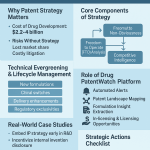
Evergreening is the practice of filing secondary patents on innovations related to an existing drug—such as new formulations, new methods of use for different diseases, or new delivery devices—in order to extend its period of market exclusivity beyond the expiration of the original compound patent .
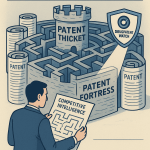
A Patent Thicket is the result of this process: a dense, overlapping, and intricate web of patents surrounding a single product, designed to be so complex and formidable that it deters or significantly delays challenges from generic or biosimilar competitors . This strategy is especially common for high-value biologic drugs.
Citation networks make these strategies visually explicit. A network map of a blockbuster drug’s patent portfolio will typically show a central, highly-cited “foundational” patent corresponding to the active ingredient. Surrounding this core node will be a large, dense, and highly interconnected cluster of later-filed patents. These are the components of the patent thicket. By analyzing the claims of these citing patents, a strategist can reverse-engineer the competitor’s specific evergreening tactics, revealing whether they are focusing on extending exclusivity through new formulations, dosing regimens, or combination therapies.
A simple competitive analysis might list the patents owned by Firm A and Firm B. A patent network analysis, however, asks a more profound question: what is the relationship between their portfolios? The citation links that cross corporate boundaries are a powerful indicator of technological dependence, influence, and strategic positioning.
For instance, if you map the landscape and find that a smaller biotech company (Firm B) frequently cites the foundational patents of a Big Pharma giant (Firm A), it suggests that Firm B’s technology is either building directly upon or attempting to “design around” Firm A’s core IP. This single observation has multiple strategic implications. For Firm A, Firm B becomes a prime acquisition target, a way to consolidate their technological lead and absorb a potential future competitor. For a rival of Firm A, acquiring Firm B could be a strategic way to gain a foothold in the same technology space.
Conversely, if two large, rival companies working in the same therapeutic area rarely cite each other’s patents, this is also a significant finding. It may suggest that they are pursuing deliberately divergent technological pathways, each carving out a distinct and defensible IP position to avoid direct infringement and costly litigation. This signals a highly fragmented and intensely competitive landscape. By mapping these inter-company citation flows, you create a “social network” of the industry, revealing dependencies, rivalries, and potential M&A synergies that are completely invisible when looking at patent portfolios in isolation.
Finding Untapped Territory: White Space Analysis for Strategic R&D Investment
In a crowded and competitive industry, the greatest opportunities often lie not in fighting for inches of territory in well-established fields, but in discovering and colonizing new, uncontested ground. In the context of intellectual property, the method for finding this new ground is known as white space analysis.
What is White Space Analysis?
White space analysis is a strategic methodology used to map an existing technology or market landscape in order to identify areas with little to no patenting activity. These “white spaces” represent potential gaps in the market, unmet patient needs, or underexplored technological avenues. They are zones of opportunity where a company can innovate, differentiate, and file for strong patent protection with a lower risk of running into a wall of competitor IP . The ultimate goal is to shift an organization’s R&D strategy from being reactive and competitive to being proactive and creative, carving out a unique and defensible niche.
Performing White Space Analysis with Patent Networks
Patent networks provide the ideal data structure for conducting a rigorous white space analysis. The process typically follows four key steps:
Define the Landscape: The analysis must begin with a clear strategic question. A vague query will yield a vague result. Instead of asking “What’s new in oncology?,” a better question is, “What are the underexplored biological pathways or mechanisms of action for treating treatment-resistant non-small cell lung cancer?” The search space is then defined using a combination of relevant keywords, patent classification codes (CPC/IPC), and a set of representative “seed” patents known to be central to the field .
Map the Terrain: Using the collected data, an analyst generates a patent landscape map. This is often visualized as a topographical map or a heat map, where the “peaks” and red, dense areas represent zones of intense patenting activity by multiple players. The “valleys,” “plains,” and cool-colored blue areas represent the white spaces—the areas with low patent density .
Analyze the Gaps: Identifying a white space is only the first step. The crucial next question is: why is it empty? Is this space empty because the underlying science is not viable (a “desert”)? Or is it empty because it represents a genuinely overlooked opportunity (“fertile ground”)? Answering this question requires augmenting the patent data with other sources of intelligence, such as scientific literature, clinical trial data, and market research, to assess the technical feasibility and commercial potential of the opportunity.
Align with Strategy: Not every attractive white space is the right opportunity for every company. The final step is to evaluate the identified gaps against the organization’s internal capabilities, resources, and long-term strategic goals. Does the company have the scientific expertise to pursue this line of research? Does it fit with the existing therapeutic portfolio? This alignment ensures that R&D investments are directed toward opportunities where the company has a genuine right to win.
A simple white space map might show an empty area and lead an analyst to conclude there is an opportunity. However, this space could be a “desert”—empty for a good reason, such as scientific infeasibility. A far more sophisticated approach is to look for white space not just in the empty voids, but at the intersections of existing technology clusters.
Imagine a patent network map with two distinct, dense clusters: one for “Antibody-Drug Conjugates (ADCs)” and another for “CRISPR-based Gene Editing.” The most valuable and innovative white space may lie in the structural hole between these two clusters. The strategic question becomes: “Can we use CRISPR technology to improve the targeting, payload delivery, or efficacy of ADCs?” This is an opportunity for knowledge recombination and technological convergence.
Patents with high betweenness centrality are the signposts that point to these intersectional opportunities. By definition, these are the patents that are already bridging disparate technological domains. By identifying these bridge patents and the companies that own them, you can pinpoint the pioneers of interdisciplinary research. Therefore, the most powerful form of white space analysis is not about finding emptiness; it’s about finding novel and valuable ways to connect what already exists. It answers the question, “What powerful combination of technologies has the rest of the industry overlooked?”
Pinpointing Value: Identifying Foundational Patents and M&A Targets
In the pharmaceutical industry, where a single molecule can be worth billions of dollars, the ability to accurately identify and value the most critical intellectual property is a core strategic function. Patent network analysis provides a data-driven framework for cutting through the noise of large portfolios to pinpoint the “crown jewel” assets that truly drive value, making it an indispensable tool for licensing, partnerships, and M&A.
Identifying Foundational “Crown Jewel” Patents
A large pharmaceutical company may own thousands of patents, but its value is often underpinned by a small fraction of that portfolio. The challenge is to identify these foundational assets. Network analysis offers several powerful indicators:
High Forward Citation Count (In-Degree): This is the classic and most intuitive indicator of a patent’s value and influence. A patent that is frequently cited by subsequent innovators is, by definition, a foundational piece of technology .
High Centrality Scores: Beyond simple counts, patents with high betweenness centrality or eigenvector centrality often represent the true lynchpins of a technology area. A patent with high betweenness connects disparate fields, while a patent with high eigenvector centrality is endorsed as important by other important patents.
Diverse Citing Assignees: A patent’s importance is magnified when it is cited by a wide range of different entities. A patent cited by direct competitors, academic institutions, and international companies across various jurisdictions is likely far more fundamental than a patent that is only cited by its own assignee (self-citation).
This approach can be applied directly to the challenges of drug discovery. For example, new analytical frameworks like PatentNetML are emerging that combine patent network measures with data on a compound’s physicochemical and ADMET (absorption, distribution, metabolism, excretion, and toxicity) properties. By doing so, these models can predict which of the many compounds disclosed within a patent are the most likely to be the “key compounds” or lead candidates, helping researchers focus their efforts more efficiently .
Using Network Analysis for M&A Targeting and Due Diligence
Nowhere are the stakes of IP valuation higher than in mergers and acquisitions. In pharmaceutical M&A, intellectual property is rarely just one asset among many; it is often the entire business and the primary driver of the deal’s valuation. Patent network analysis plays a critical role throughout the M&A process, from initial target identification to final due diligence.
Identifying M&A Targets: Network analysis is a powerful screening tool for identifying potential acquisition targets that may be flying under the radar of traditional financial analysis. An M&A team can scan the patent landscape for smaller companies that own a handful of highly-cited, highly-central patents in a therapeutic area of strategic interest. These “niche innovators,” identifiable by their potent but compact patent network footprint, can represent highly valuable acquisition opportunities.
Performing Due Diligence: Once a target has been identified, network analysis becomes a crucial component of the due diligence process .
Portfolio Strength Assessment: The analysis moves beyond a simple inventory of the target’s patents. By mapping the target’s portfolio, the acquirer can ask critical strategic questions. Is the portfolio a dense, defensible “patent thicket,” or is it a sparse collection of easily circumvented patents? How central are its “crown jewel” patents relative to the broader technology landscape?
Freedom-to-Operate (FTO) Analysis: The network map can reveal potential FTO risks. If the target’s key patents are heavily dependent on (i.e., they cite) the core IP of a major competitor, it could signal significant future licensing costs or an elevated risk of infringement litigation.
Informing Valuation: The insights from this analysis are direct inputs for financial valuation. The strength, centrality, remaining life, and FTO risk of the target’s patents, all informed by network analysis, are critical variables in the risk-adjusted Net Present Value (rNPV) models used to determine a fair purchase price.
A target company’s patent citation network can reveal something deeper and more intangible than just the quality of its assets: it can provide a glimpse into its “innovation culture” and strategic posture. Standard due diligence confirms patent ownership and validity. Network analysis adds a dynamic, behavioral layer.
For example, does the target’s portfolio exhibit a high rate of self-citation? This could indicate a strong, internally coherent platform technology, but it might also suggest an insular R&D culture that is not effectively integrating external knowledge. Does the portfolio contain a high number of backward citations to non-patent literature, such as academic journals? This suggests a company that is deeply connected to cutting-edge science and likely has strong relationships with university research centers. Does the portfolio contain patents with high betweenness centrality that connect to diverse technological fields? This points to an interdisciplinary and potentially more adaptive R&D organization.
By asking these questions, an M&A team can use network-derived patterns as proxies for the target’s underlying R&D strategy. The analysis moves beyond the static question of, “Do they own this patent?” to the dynamic and far more important question of, “How do they innovate?” This deeper understanding is crucial for assessing cultural fit and planning for a successful post-merger integration.
Connecting the Dots: Mapping Interdisciplinary Research and Converging Technologies
The most profound breakthroughs in medicine today are rarely confined to a single scientific discipline. The future of drug discovery, particularly in complex areas like personalized medicine and digital health, is being forged at the intersection of multiple fields: biology, chemistry, data science, information technology, and medical device engineering . For pharmaceutical strategists, identifying and understanding these points of convergence is critical for staying at the cutting edge.
The Rise of Interdisciplinary Innovation
Traditional methods of patent analysis, which often rely on siloed patent classification codes, struggle to capture this interdisciplinary dynamism. A patent might be classified as a “pharmaceutical preparation,” but its true innovation might lie in the machine learning algorithm used to discover its target. Patent citation networks, however, are uniquely capable of mapping these cross-disciplinary connections.
Using Patent Networks to Map Convergence
The key to mapping technological convergence lies in analyzing the citation links that bridge different technology clusters on a network map. Imagine a global patent map where you have identified a large cluster related to “oncology therapeutics” and another distinct cluster for “machine learning algorithms.” A small but growing number of citation links between these two clusters is a direct, visual representation of the emergence of computational oncology . The patents that form these bridges are the ones pioneering the application of AI to cancer research.
To dig deeper, analysts can apply topic modeling techniques, such as Latent Dirichlet Allocation (LDA), to the full text of the patents that lie at these intersections. This allows for the automated extraction of the specific concepts and themes being combined. For instance, such an analysis might reveal that the convergence is focused on using AI for biomarker discovery, patient stratification, or predicting treatment response.
A patent landscape analysis of personalized medicine provides a perfect case study. Such a map reveals a landscape dominated by patents in traditional therapeutic areas like oncology, neurodegenerative diseases, and infectious diseases. However, the network analysis also shows a powerful and accelerating convergence with IT-driven data science and diagnostics. This insight has profound strategic implications, highlighting the need for pharmaceutical companies to build new capabilities and forge new partnerships with tech companies to compete in this evolving space.
Patent citation networks can function as a powerful predictive tool, helping to identify which therapeutic areas are most likely to be disrupted by external technologies like artificial intelligence. Some fields of medicine are inherently more data-intensive than others. Oncology, for example, with its deep reliance on genomics, proteomics, complex biomarkers, and imaging data, is a prime candidate for AI-driven transformation.
One could hypothesize that these data-rich fields will be the first and most profoundly impacted by the integration of AI and machine learning. A patent network analysis can be used to test and validate this hypothesis. An analyst would expect to find a significantly higher density of citation links between the “oncology” patent cluster and the “AI/ML” patent cluster compared to the links between, for instance, a “dermatology” cluster and the “AI/ML” cluster.
This type of analysis provides a data-driven roadmap of technological convergence across the entire spectrum of medicine. It allows a pharmaceutical company to prioritize its digital transformation and AI investment strategy, focusing its resources first on the therapeutic areas where the patent data shows the strongest and most rapid convergence is already underway. It enables a company to, in the famous words of Wayne Gretzky, “skate to where the puck is going, not where it has been.”
Part IV: Advanced Applications and Future Frontiers
Having established the core principles and strategic applications of patent network analysis, we now turn to more advanced use cases and a look toward the future. By examining specific therapeutic areas like oncology and the unique challenges of biologics, we can see these analytical frameworks in action. Furthermore, a clear-eyed assessment of the limitations of this methodology and the transformative potential of artificial intelligence will equip strategists to navigate the evolving landscape of pharmaceutical innovation.
Case Study: Unraveling the Oncology Patent Network
Oncology serves as an ideal case study for the power of patent network analysis, as it is one of the most dynamic, complex, and competitive fields in all of medicine.
Why Oncology is a Perfect Case Study
The field of oncology is a perfect storm of the factors that make network analysis so valuable:
Intense Activity: Oncology is a clear outlier in terms of both scientific publication and patenting activity. Between 2015 and 2021 alone, patenting in cancer-related technologies surged by over 70% . The United States is the undisputed leader in this innovation race, accounting for nearly half of all international patent families in the field.
Technological Complexity: The R&D landscape is incredibly diverse, encompassing everything from traditional small molecules and monoclonal antibodies to cutting-edge CAR-T cell therapies, cancer vaccines, and AI-driven diagnostic tools. This heterogeneity creates a rich and complex network structure to analyze .
Data Density: The sheer volume of research and patenting provides a dense and robust dataset, allowing for the identification of statistically significant trends and clusters.
Applying the Analytical Framework
We can apply the strategic frameworks discussed earlier to this complex landscape with powerful results:
Horizon Scanning: As previously mentioned, a real-world study used citation network analysis of immunology literature (a field central to modern oncology) to perform horizon scanning. By identifying “young,” rapidly growing clusters in the network, researchers were able to pinpoint emerging research fronts like tissue resident memory T cells and the role of ARID1A gene mutations—topics that could lead to the next generation of immuno-oncology targets.
Competitor Monitoring: Network analysis can be used to map the formidable patent thickets built around blockbuster oncology drugs like Amgen’s Enbrel, allowing competitors to understand the specific defensive strategies being employed. In a more focused example, an analysis of the citation network for patents related to STING (Stimulator of Interferon Genes) agonists—a promising class of immunotherapy agents—can reveal which companies are leading in this niche, how the underlying technologies are distributed across different chemical classes, and who is citing whom.
Identifying Foundational IP: A fascinating study of the broader drug discovery landscape used network analysis to reveal that R&D is often constrained by two fundamental mechanisms: “preferential attachment” (the tendency to continue researching targets that are already well-known and highly studied) and “local network effects” (the tendency to explore only those proteins that directly interact with these well-known targets). In oncology, this means that much of the research may be clustered around a few foundational pathways (e.g., PD-1/PD-L1, EGFR). Network analysis can not only identify the core patents and targets that anchor these exploration patterns but, more importantly, can help identify the “structural holes” and less-explored nodes that represent opportunities to break away from this herd mentality and discover truly novel biology.
The Biologics Challenge: Analyzing Patent Thickets and Large Molecule Strategies
The rise of biologics—large, complex molecules such as monoclonal antibodies and therapeutic proteins—has fundamentally altered the strategic IP landscape. These high-value products present unique challenges and opportunities that require a tailored analytical approach.
The Unique IP Landscape of Biologics
Biologics are not just another class of drugs; they operate under a different set of economic and regulatory rules.
Disproportionate Economic Impact: While biologics may account for a relatively small percentage of prescriptions filled in the U.S. (around 2%), they are responsible for a staggering 50% of total prescription drug spending. This immense value makes protecting them an absolute strategic priority.
Distinct Regulatory Pathways: Governments recognize the difference between small molecule drugs and large molecule biologics. The U.S. Inflation Reduction Act (IRA), for instance, grants a longer period of protection from government price negotiation for biologics (13 years) compared to small molecules (9 years), reflecting their complexity and development costs.
The Biosimilar Threat: The establishment of abbreviated approval pathways for biosimilars (under the BPCIA in the U.S.) has created a direct competitive threat, compelling innovator companies to develop sophisticated and aggressive IP defense strategies to protect their flagship products .
Network Analysis of Patent Thickets and Ancillary Patents
The primary defensive strategy for biologics is the creation of massive patent thickets. A network map of a leading biologic drug will not show a single, isolated patent. Instead, it will reveal a dense, sprawling cluster of secondary patents encircling the primary patent, making it incredibly difficult for a biosimilar competitor to enter the market without facing a barrage of infringement lawsuits .
A key component of these thickets is the strategic use of “ancillary product patents.” These are patents that do not cover the active biological ingredient itself, but rather critical features that are essential for the drug to function, such as its specific physiochemical properties, glycosylation patterns, or formulation characteristics that ensure stability and efficacy. Innovator companies often file these ancillary patents years after the primary patent, using them to significantly extend the product’s effective market exclusivity.
Combining patent network analysis with litigation data provides a powerful lens through which to analyze these strategies. A landmark study reviewed all patents involved in biologic litigation in the U.S. and found that while only 4% of the litigated patents were primary patents on the active ingredient, a crucial 8% were ancillary secondary patents, and the remaining 87% were other non-ancillary secondary patents (covering formulations, methods of use, manufacturing processes, etc.). Critically, the study found that these ancillary patents were filed a median of 18.3 years after the first primary patent and extended the expected duration of protection by a median of 10.4 years.
For a biosimilar developer, this is a vital insight. A patent network map can show you the entire thicket, but by overlaying it with litigation data (from sources like Lex Machina or Clarivate’s Darts-ip ), you can identify which of the dozens or even hundreds of secondary patents are the real barriers to entry—the ones the innovator company is willing to spend millions of dollars defending in court. This allows the developer to focus its legal and R&D resources on challenging or designing around the patents that matter most.
The strategic games played to protect small molecule drugs and large molecule biologics are fundamentally different. The following table highlights these key distinctions, providing a strategic cheat sheet for navigating these two distinct competitive landscapes.
Table 3: Strategic Patenting in Biologics vs. Small Molecules
Strategic Element
Small Molecules
Biologics / Large Molecules
Core IP Focus
The Active Pharmaceutical Ingredient (API) as a distinct chemical entity.
The active ingredient plus the complex manufacturing process (the “process is the product”).
Common Secondary Patents
New crystalline forms (polymorphs), salts, esters, formulations, methods of use.
Generic drug manufacturers filing an Abbreviated New Drug Application (ANDA).
Biosimilar manufacturers filing under the Biologics Price Competition and Innovation Act (BPCIA).
Key Defensive Strategy
Evergreening: Layering a sequence of secondary patents to extend exclusivity.
Patent Thickets: Creating a dense, overlapping web of hundreds of patents to create a formidable litigation barrier.
Typical Exclusivity Tactic
Leveraging statutory extensions like those in the Hatch-Waxman Act.
Aggressive litigation based on the patent thicket and strategic use of late-filed ancillary patents to delay entry.
Navigating the Fog: Understanding Biases, Limitations, and Strategic Noise
While patent citation network analysis is a powerful tool, it is not a crystal ball. The data is subject to inherent biases and strategic manipulation, and the legal landscape is fraught with complexity. A sophisticated strategist must understand these limitations to interpret the results critically and avoid drawing naive conclusions.
The Problem of Strategic Citation
The foundational assumption of citation analysis is that citations are a pure reflection of knowledge flow. However, this is not always the case. The act of citing can be a strategic one .
Over-Citing and “Noise”: To satisfy their duty of disclosure with minimal effort and cost, or to create a “smoke screen” of prior art that obscures the most relevant references, applicants may engage in over-citing. This often involves copying long lists of citations from related patents without careful review. This practice injects a significant amount of noise into the network, creating links that do not represent genuine technological influence.
Under-Citing and “Strategic Omission”: Conversely, applicants may strategically omit citations to highly relevant prior art. The motivation could be to make their own invention appear more novel and non-obvious than it truly is, or to avoid alerting a direct competitor to the fact that their technology may be infringing . Some research suggests that this behavior is more common when the relevant prior art is from a different country or jurisdiction, where the applicant may believe it is less likely to be discovered by the examiner.
Inherent Data Biases and Limitations
Beyond strategic behavior, the data itself has inherent biases that must be accounted for:
Truncation Bias: This is the most common and significant bias. More recent patents will, by definition, always have fewer forward citations than older patents simply because less time has elapsed for them to be discovered and cited by others . A naive comparison of the raw citation counts of a patent from 2023 and one from 2013 is fundamentally misleading.
Correlation with Firm Characteristics: Studies have shown that firm-level citation biases are often correlated with other firm characteristics, such as company size, R&D intensity, and financial performance. This can confound statistical models and lead to incorrect inferences about the drivers of innovation.
Citations as an Imperfect Proxy for Value: While a positive correlation exists between forward citations and a patent’s value, it is far from perfect. As one study showed, citation counts can fail to strongly differentiate between true “breakthrough” drugs and those that are merely “advanced-in-class” improvements over existing therapies. Furthermore, commercial factors, particularly market size, are often a much stronger predictor of whether a patent will be challenged in court than its perceived technical quality or citation count.
Addressing the Challenges: A Framework for Critical Analysis
A savvy analyst can mitigate these challenges and limitations by adopting a more critical and holistic framework:
Go Beyond Raw Counts: Never rely on raw forward citation numbers alone. Use normalized metrics like citation velocity to account for the age of the patent.
Analyze the Citor: Differentiate between the sources of citations. A self-citation (citing your own prior work) indicates internal platform development. A competitor citation signals technological overlap. An examiner citation is a strong, objective indicator of relevance.
Triangulate with Other Data Sources: The most robust insights come from combining patent network analysis with other datasets. Cross-reference findings with the scientific literature (NPL citations are often considered a “cleaner” measure of knowledge flow from public research ), clinical trial data (from ClinicalTrials.gov), litigation records, and market data. This is where a platform like DrugPatentWatch, which integrates many of these pharma-specific datasets, becomes exceptionally valuable .
Acknowledge Legal Uncertainty: The value of a patent is ultimately a legal question. This is especially true for emerging technologies like CAR-T therapies, personalized diagnostics, and AI-driven inventions, which are actively challenging the established legal standards for patentability, including novelty, non-obviousness, and enablement . The Supreme Court’s 2023 decision in Amgen v. Sanofi, which invalidated broad functional claims for lack of enablement, has sent shockwaves through the biotech industry and highlights the legal risks facing many biologic patents. An analyst must factor this legal uncertainty into any valuation or strategic assessment.
The AI Revolution: The Future of Predictive Patent Analytics in Drug Discovery
The field of patent intelligence is on the cusp of a transformation as profound as any in its history, driven by the rapid maturation and integration of artificial intelligence. AI is not only accelerating the pace of drug discovery itself but is also revolutionizing the tools we use to analyze and understand the intellectual property that underpins it.
AI’s Impact on the Drug Discovery Lifecycle
AI’s influence is being felt across the entire R&D continuum:
Dramatically Accelerated Timelines: By rapidly analyzing vast biological and chemical datasets, AI is slashing discovery timelines. Preclinical phases that once took 5-6 years can now be completed in as little as 2-3 years. Some AI platforms have demonstrated the ability to identify promising drug candidates up to 10 times faster than traditional methods.
Significant Cost Reduction: AI-powered drug discovery has the potential to reduce R&D costs by up to 40%. It achieves this by improving target identification, predicting compound efficacy, and minimizing the number of costly failed experiments.
Growing Regulatory Acceptance: Far from being a fringe technology, AI is now a mainstream component of pharmaceutical R&D. The FDA has seen a significant increase in drug applications that incorporate AI components and is actively developing a risk-based regulatory framework to guide and encourage its use in a way that promotes innovation while protecting patient safety .
AI-Powered Patent Analytics: The New Frontier
Just as AI is transforming the lab, it is also transforming the analyst’s desktop. The integration of AI into patent intelligence platforms is unlocking new capabilities that were previously unimaginable.
Semantic Search and Automated Classification: The era of relying solely on keyword searching is over. AI-powered semantic search engines understand the concepts and context behind the words, allowing for far more accurate and comprehensive prior art searches that can uncover relevant documents even if they use different terminology . Machine learning algorithms can also automatically cluster thousands of patents into coherent technology groups, performing in minutes a task that would have taken a human analyst weeks.
Predictive Analytics: This is the most transformative application of AI in the IP field. By training machine learning models on vast historical datasets of patents and their outcomes, it is becoming possible to forecast the future. These predictive models are being developed to:
Forecast Technology Trends: Analyze patent filing patterns to predict which technologies are on an upward trajectory and which are waning .
Estimate Patent Value: Predict a patent’s future citation count or even its potential financial value based on an analysis of its text, claims, and other metadata. Early models have already demonstrated the ability to predict patent value with an R-squared score of over 40%—a remarkable level of predictive power .
Predict Litigation Outcomes: Forecast the likelihood that a patent will be challenged in court or invalidated by the Patent Trial and Appeal Board (PTAB), based on its characteristics and the history of similar cases.
The Symbiotic Future: The AI-Augmented Analyst
The rise of AI is not without its challenges. Issues of AI “hallucinations” (the generation of plausible but false information), biases baked into training data, client confidentiality concerns, and unresolved legal questions surrounding AI inventorship demand a cautious and critical approach . The USPTO and other global patent offices are grappling with these questions, issuing guidance that attempts to draw a line between AI as a “tool” and AI as an “inventor”.
This leads to the most likely vision of the future: not one where AI replaces human experts, but one of a powerful symbiosis. The future belongs to the AI-augmented analyst. In this model, AI will be tasked with managing the immense scale, speed, and complexity of global patent data. It will perform the initial search, the classification, the clustering, and the predictive scoring. The human expert, freed from these laborious tasks, will then provide the indispensable strategic oversight, the ethical judgment, the creative interpretation, and the nuanced understanding of business context that machines cannot replicate. The role of the patent attorney and the competitive intelligence analyst will evolve from one of manual research and composition to one of strategic prompt engineering, critical output validation, and high-level strategic synthesis.
Conclusion: From Analyst to Strategist – Embedding Network Intelligence in Your Organization
We have journeyed from the fundamental building blocks of patent citations to the advanced strategic applications of network analysis and the future frontier of AI-driven intelligence. The central, recurring theme is one of transformation: the transformation of raw data into strategic insight, of legal documents into competitive signals, and ultimately, of the patent analyst into a core business strategist. Patent citation network analysis is the catalyst for this transformation. It provides a powerful, proactive, and predictive compass for navigating the immense complexities and opportunities of the modern pharmaceutical industry.
The critical takeaway for any leader in this space is the urgent need to shift the perception and function of intellectual property within the organization. IP analysis can no longer be a siloed legal function, called upon reactively to handle filings or litigation. It must be integrated into the very heart of corporate strategy, providing essential input for R&D portfolio decisions, business development and licensing, M&A targeting, and commercial forecasting . This requires building cross-functional teams that bring together the expertise of patent attorneys, data scientists, R&D leaders, and commercial strategists.
For those looking to begin this journey, the path forward is clear. The first step is to conduct an honest assessment of your organization’s current capabilities. Do you have the right tools to access and analyze harmonized global patent data? Do you have the right talent with the skills to bridge the gap between network science and business strategy? Do you have the right processes to embed these insights into your strategic planning cycle?
If the answer to any of these questions is no, the time to act is now. Start with a focused pilot project. Conduct a white space analysis in a key therapeutic area to identify new R&D pathways. Map the patent thicket of a competitor’s blockbuster drug to inform your own lifecycle management strategy. Use network centrality measures to value the IP portfolio of a potential M&A target. By demonstrating the tangible value of this approach on a small scale, you can build the momentum needed for broader organizational adoption.
In an industry where a single insight can be the difference between a breakthrough therapy and a failed trial, between market leadership and obsolescence, the ability to see the hidden connections within the global innovation landscape is no longer a luxury. It is the essential key to unlocking future growth and securing a dominant position in the next era of medicine.
In his pioneering 1990 study on CT scanner technology, economist Manuel Trajtenberg discovered a foundational principle of patent analytics. He found that simple patent counts were poor predictors of the social value of innovation. However, citation-weighted patent counts performed significantly better, with correlation coefficients between the value of innovations and the citation-weighted patent stock reaching as high as 0.75. This was one of the first empirical demonstrations that the network of citations contains far more information about a patent’s true importance than the mere fact of its existence .
Key Takeaways
Patents as a Strategic Compass: In the complex pharmaceutical industry, patent citation network analysis transforms IP data from a defensive legal tool into a proactive, predictive compass for navigating R&D, competition, and M&A.
Forward Citations Signal Value: The number of times a patent is cited by subsequent patents (forward citations) is a powerful proxy for its technological impact, influence, and economic value. Highly cited patents are often foundational to their field.
Data Quality is Non-Negotiable: Raw patent data is notoriously “dirty.” Effective analysis requires rigorous data harmonization—cleaning and standardizing assignee names and tracking corporate events like M&A—to avoid costly, misguided decisions.
Network Metrics Reveal Strategic Roles: Centrality measures identify the most important patents. High in-degree indicates influence, while high betweenness centrality identifies “bridge” patents that connect disparate technologies and signal interdisciplinary breakthroughs.
Map the Battlefield and Find the Gaps: Network analysis can deconstruct competitor R&D strategies by identifying their most influential patents and “stealth” programs. It is also the core methodology for white space analysis, mapping a technology landscape to find uncontested areas for innovation.
Essential for Pharma M&A: In an industry where IP is often the main asset, network analysis is crucial for identifying M&A targets, assessing the strength of their patent portfolios, uncovering freedom-to-operate risks, and informing financial valuation.
Decoding Biologics Strategy: Network analysis makes the “patent thickets” surrounding high-value biologics visible. Combining network maps with litigation data helps identify the key secondary and ancillary patents that innovators use to delay biosimilar competition.
Acknowledge the “Noise”: Patent citations are not a perfect measure of knowledge flow. Analysts must be aware of and account for strategic citing behavior (over- or under-citing) and inherent data biases (like time-lag truncation).
The Future is the AI-Augmented Analyst: Artificial intelligence is revolutionizing patent analytics with semantic search and predictive models. The future belongs to a symbiosis where AI handles the scale of data, and human experts provide the critical strategic oversight, ethical judgment, and creative interpretation.
Frequently Asked Questions (FAQ)
1. Our company is a smaller biotech with a limited budget. How can we start using patent network analysis without investing in expensive enterprise software?
This is a common and important question. While large-scale, continuous monitoring benefits greatly from enterprise platforms, smaller organizations can absolutely leverage network analysis strategically. A cost-effective approach would be:
Phase 1: Focused Data Collection. Instead of trying to analyze the entire universe of patents, define a very specific technology niche or a small group of direct competitors. Use free public databases like Google Patents or the USPTO search portal to manually collect the patent numbers and their direct citation data (both forward and backward) for this focused set.
Phase 2: Data Cleaning. Manually clean the assignee names for this small dataset in a spreadsheet. Since the scope is limited, this is a manageable task and is the most critical step for ensuring data quality.
Phase 3: Open-Source Visualization. Import your clean, structured data into a free, open-source network visualization tool like VOSviewer or Gephi. These tools have a learning curve but offer powerful capabilities for clustering and calculating centrality measures, allowing you to create a detailed network map of your specific niche.
Phase 4: Strategic Interpretation. Use the resulting map to answer targeted questions: Who owns the most central patents in our niche? Is there a sub-cluster of patents that represents an unexplored “white space”? This focused, project-based approach can deliver high-value insights without the overhead of a large software subscription.
2. How can patent citation analysis help predict if a therapeutic area is about to be disrupted by a new technology, like AI or gene editing?
This is one of the most powerful applications of the methodology. The key is to look for the “bridges” forming between previously disconnected technology clusters. The process would be:
Build a Broad Network: Create a large patent network that includes both your therapeutic area of interest (e.g., “Alzheimer’s disease therapeutics”) and the potentially disruptive technology (e.g., “CRISPR gene editing” or “AI in diagnostics”).
Identify the Clusters: Use a clustering algorithm to partition the network. You should see distinct clusters for your therapeutic area and the disruptive technology.
Analyze the Inter-Cluster Links: The crucial analysis is to quantify the citation links between these two clusters. Are there any? Are they increasing over time?
Find the “Bridge” Patents: Identify the specific patents that form these links. These patents will have high betweenness centrality. Analyze their content and their owners. These are the pioneers of the technological convergence. A rising number of such “bridge” citations over several years is a strong leading indicator that the therapeutic area is on the verge of being disrupted by the new technology, providing an early warning to adapt your R&D strategy.
3. We’ve identified a “white space” on our patent map. How do we determine if it’s a real opportunity or just a “desert” where innovation is not feasible?
This is the critical validation step that separates data analysis from true strategy. A patent map can show you where the white space is, but not why it’s there. To distinguish a valuable opportunity from a dead end, you must triangulate the patent data with other intelligence sources:
Scientific Literature Review: Is there a body of basic scientific research (non-patent literature) that suggests the approach is technically feasible, even if no one has patented an application yet? A complete lack of scientific underpinning is a major red flag.
Clinical Trial Data: Have there been any early-stage clinical trials (Phase 0 or Phase I) that have attempted to explore this area and failed for safety or efficacy reasons? Failures are often not patented but are reported in clinical trial registries.
Expert Interviews: Consult with Key Opinion Leaders (KOLs) and scientific advisors in the field. They can provide invaluable context on whether the white space exists due to a genuine oversight or a well-known, insurmountable technical hurdle.
Market Analysis: Is there a clear unmet patient need and a viable commercial market for a product in this white space? A true opportunity exists at the intersection of patent white space, scientific plausibility, and market need.
4. How does the analysis of non-patent literature (NPL) citations complement the analysis of patent-to-patent citations?
Analyzing NPL citations is a crucial and often overlooked part of a comprehensive strategy. It provides a different, and in some cases, “cleaner” signal of knowledge flow.
Link to Basic Science: Patent-to-patent citations show how applied technologies build on each other. NPL citations (to scientific journals, conferences, etc.) show how applied technology builds on fundamental scientific research. A company whose patents frequently cite cutting-edge academic papers is likely operating at the forefront of science.
“Cleaner” Signal: Some studies suggest that NPL citations can be a more reliable indicator of true knowledge flow from public research than patent citations, which can be subject to more “strategic noise” (e.g., over-citing for defensive reasons).
Identifying University Partnerships: A high volume of NPL citations from specific universities or research institutes can reveal a company’s key academic collaboration partners, even without a formal, publicly announced agreement. This can identify key sources of external innovation for a company. A complete analysis should therefore map both the patent citation network and the patent-to-NPL citation network to get a full picture of a company’s internal and external innovation ecosystem.
5. With the rise of AI in drug discovery, who gets the patent? How does this uncertainty affect how we analyze the value of AI-related patents?
This is the most pressing legal and strategic question on the frontier of IP. Current U.S. patent law is clear: an inventor must be a “natural person”. An AI system cannot be named as an inventor. However, the USPTO’s 2024 guidance clarified that an invention is patentable if one or more humans made a “significant contribution” to its conception.
This has two major implications for patent analysis:
Increased Scrutiny on Enablement and Written Description: For a patent on an AI-discovered drug to be valid, the human inventors must be able to describe the invention in sufficient detail to teach others in the field how to make and use it without “undue experimentation.” This puts immense pressure on the enablement and written description requirements of patent law. When analyzing an AI-related drug patent, its value is highly dependent on how well it meets this standard. A patent with broad claims but a weak description of how the AI model was trained and its results validated is at high risk of being invalidated, as seen in the Amgen v. Sanofi case.
Value in Documentation and Human Oversight: The value of an AI-related patent is now inextricably linked to the quality of the documentation proving significant human contribution. This includes curating the training data, defining the problem for the AI, interpreting the AI’s output, and validating the results experimentally. When conducting due diligence on an AI-driven biotech, an acquirer must now scrutinize not just the patent itself, but the lab notebooks and records that prove the human element of the invention. Therefore, when analyzing these patents, their risk profile is higher, and their value must be discounted based on the perceived strength of the documented human contribution.
PatentNetML: A Novel Framework for Predicting Key Compounds in Patents Using Network Science and Machine Learning | Journal of Medicinal Chemistry – ACS Publications, accessed August 9, 2025, https://pubs.acs.org/doi/abs/10.1021/acs.jmedchem.3c01893
Identifying Technological Trends: A Patent Analysis Method for Technology Forecasting | Anais do Simpósio Brasileiro de Banco de Dados (SBBD), accessed August 9, 2025, https://sol.sbc.org.br/index.php/sbbd/article/view/30703
Mapping the mHealth Nexus: A Semantic Analysis of mHealth Scholars’ Research Propensities Following an Interdisciplinary Training Institute – MDPI, accessed August 9, 2025, https://www.mdpi.com/2076-3417/15/11/6252
Patent Technology Network Analysis of Machine-Learning Technologies and Applications in Optical Communications – MDPI, accessed August 9, 2025, https://www.mdpi.com/2304-6732/7/4/131